

Getting Started: The Short Drive That Makes All the Difference
San Jose residents looking for professional powder coating services often discover that the best option isn't always the closest one. The 30-40 minute drive to Santa Cruz opens up access to specialized coating expertise that has been serving the Bay Area since 2010. Powder Coat It offers a full-service facility where automotive parts, motorcycle components, bicycle frames, and custom projects receive durable finishes that outperform traditional paint.
The first step before powder coating begins is understanding what makes this process different from paint. The second step is knowing what to bring and what to expect. This guide walks through both.
Powder Coating vs. Paint: What Actually Happens
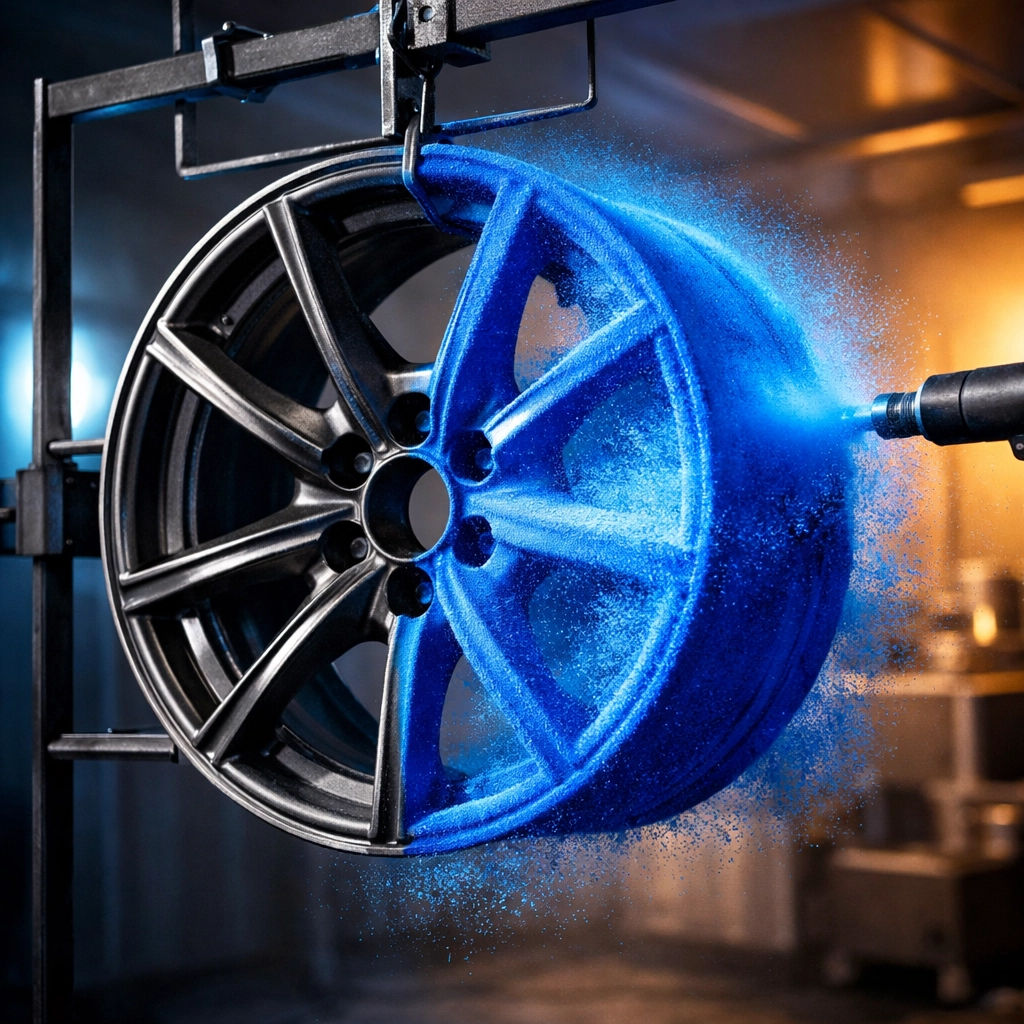
Powder coating applies a dry powder to metal surfaces using an electrostatic process. The powder particles carry an electrical charge that causes them to stick to the grounded metal part. After application, the part moves into a curing oven where heat melts the powder into a smooth, continuous coating.
Paint, by contrast, uses liquid solvents that evaporate as the coating dries. This evaporation releases volatile organic compounds (VOCs) into the air and leaves a thinner finish that chips and scratches more easily.
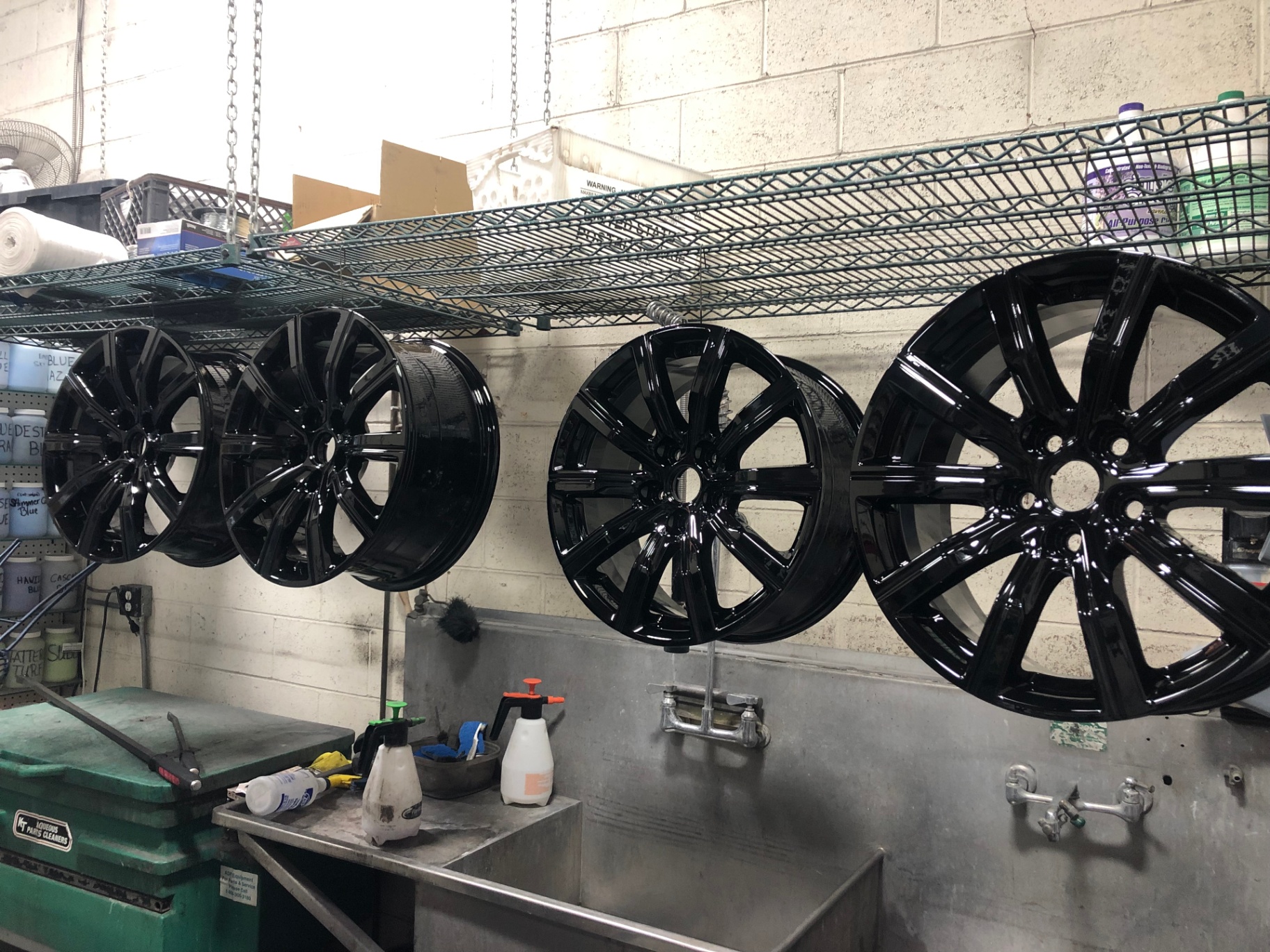
The powder coating process creates a finish that is typically three to four times thicker than paint. This extra thickness provides superior protection against corrosion, UV damage, chemicals, and physical impact. The finish also resists fading, making it ideal for wheels, calipers, frames, and outdoor furniture that face constant exposure to the elements.
Another key difference is coverage. Powder coating wraps around edges and corners more evenly than liquid paint, which tends to pool or run. The electrostatic attraction pulls powder into recesses and hard-to-reach areas, resulting in a more uniform appearance.
What Can Be Powder Coated
The process works on nearly any metal surface. Common projects include:
Automotive components: Wheels, brake calipers, suspension parts, valve covers, bumpers, grilles, and exhaust tips receive durable finishes in custom colors. Many San Jose car enthusiasts choose powder coating for track cars and show vehicles because the finish holds up under extreme conditions.
Motorcycle parts: Frames, swingarms, triple clamps, engine covers, and exhaust systems benefit from the high-temperature resistance and impact protection that powder coating provides.
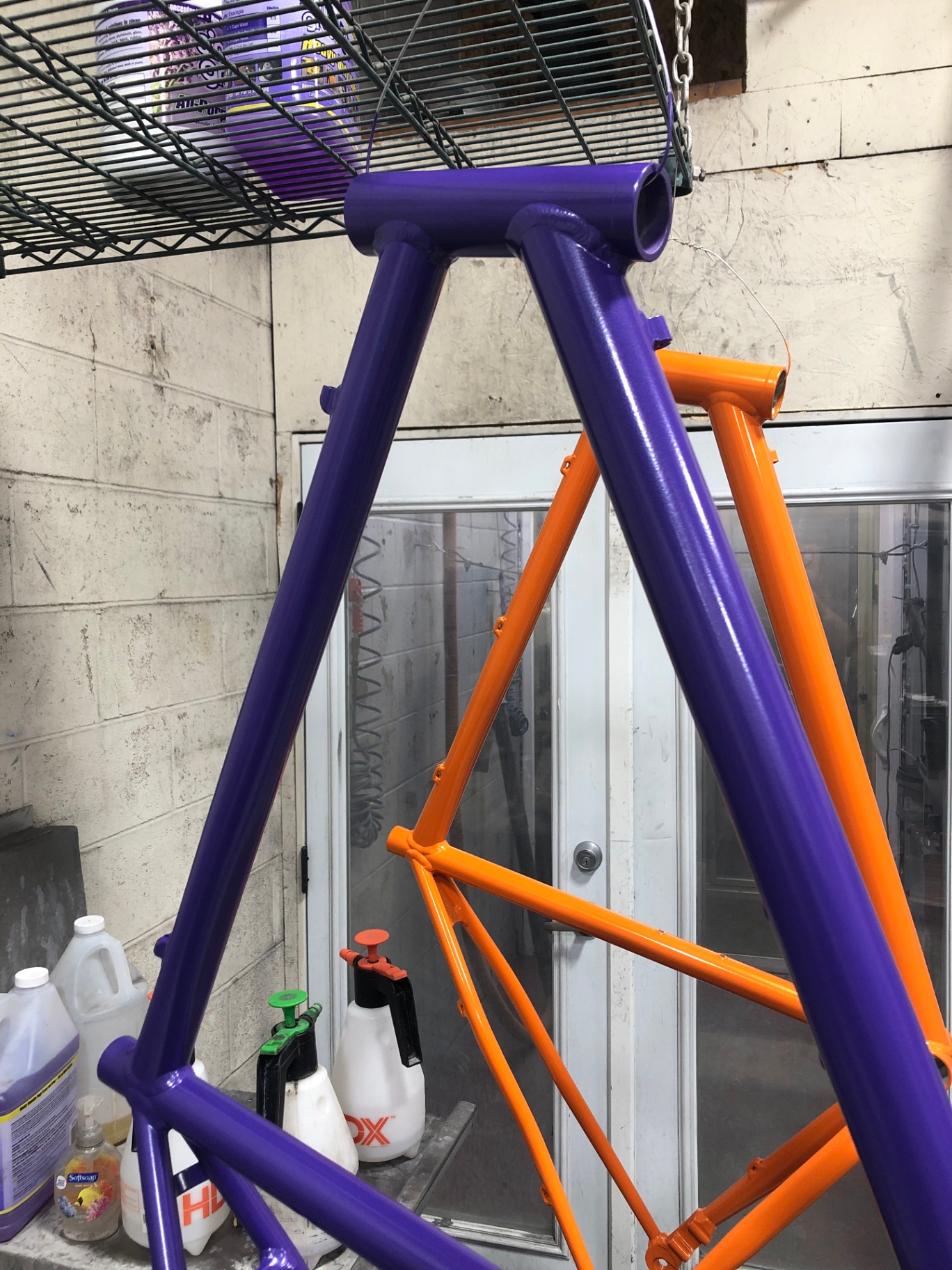
Bicycle frames: Road bikes, mountain bikes, e-bikes, and custom builds can be refinished in virtually any color. The process removes old paint and rust before applying a fresh, durable coating.
Custom fabrication: Railings, gates, furniture, signage, and architectural elements receive long-lasting finishes that withstand weather and heavy use.
The coating adheres to steel, aluminum, stainless steel, and other conductive metals. Parts made from plastic, wood, or composite materials cannot be powder coated because they cannot withstand the curing oven temperatures, which typically range from 325°F to 450°F.
The Powder Coating Process: What Happens to Parts
Understanding the process helps customers prepare parts properly and set realistic expectations for turnaround time.
Surface preparation: This is the most critical step. All dirt, oil, grease, old paint, and rust must be removed before powder application. Parts undergo chemical cleaning, media blasting, or both, depending on their condition. Proper surface preparation determines how well the powder adheres and how long the finish lasts.
Masking: Areas that should not receive coating: such as bearing surfaces, threads, or specific mounting points: are masked with high-temperature tape or plugs.
Powder application: An electrostatic spray gun charges the powder particles as they leave the nozzle. The charged powder travels to the grounded metal part and sticks to all exposed surfaces. The operator applies multiple passes to achieve even coverage and the desired thickness.
Curing: The coated part enters a curing oven where controlled heat melts the powder into a liquid film. As the part cools, the coating hardens into a tough, protective layer. Curing times vary based on powder type and part size, typically ranging from 15 to 30 minutes.
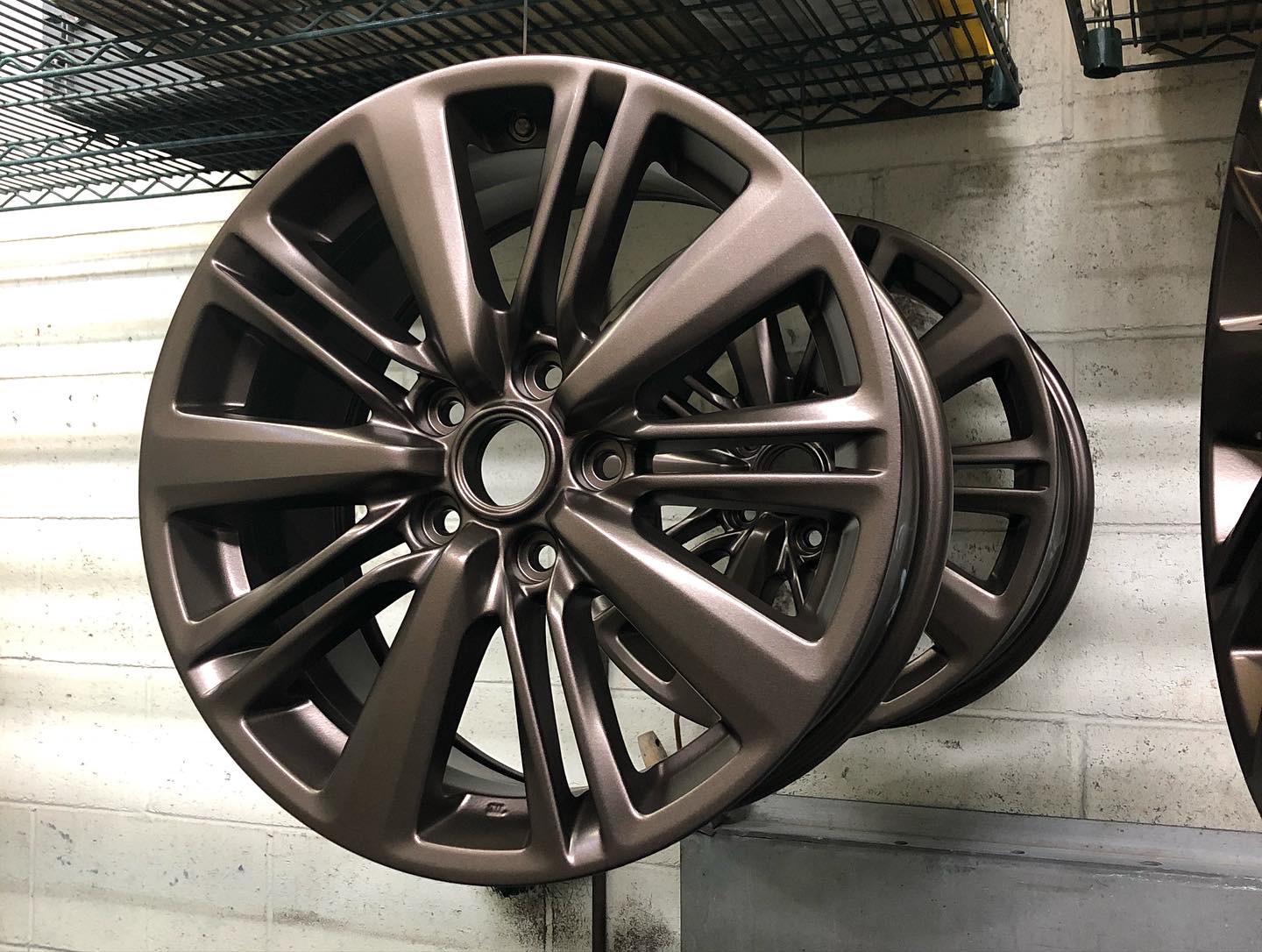
Inspection and assembly: After cooling, each part is inspected for finish quality. Any necessary hardware is reinstalled, and parts are packaged for pickup or shipping.
The entire process usually takes several days to complete, depending on current workload and project complexity. Rush services may be available for time-sensitive projects.
Why San Jose Customers Choose Powder Coat It in Santa Cruz
Location matters less when the quality and service justify the drive. Powder Coat It has built a reputation throughout the Bay Area by focusing on precision work and customer communication.
The Santa Cruz facility handles both small personal projects and large commercial orders. The team has experience with classic car restorations, modern performance builds, custom motorcycles, and one-of-a-kind fabrication projects. This range of experience means they understand the specific requirements different projects demand.
For San Jose residents, the drive to Santa Cruz takes 30-40 minutes via Highway 17. Many customers combine their drop-off or pickup with a trip to the coast, making it a convenient excuse to enjoy the Santa Cruz area.
Shipping options are also available for customers who prefer not to make the drive. Parts can be shipped to the facility, coated, and returned via carrier. This option works well for smaller components like brake calipers, motorcycle parts, or bike frames.
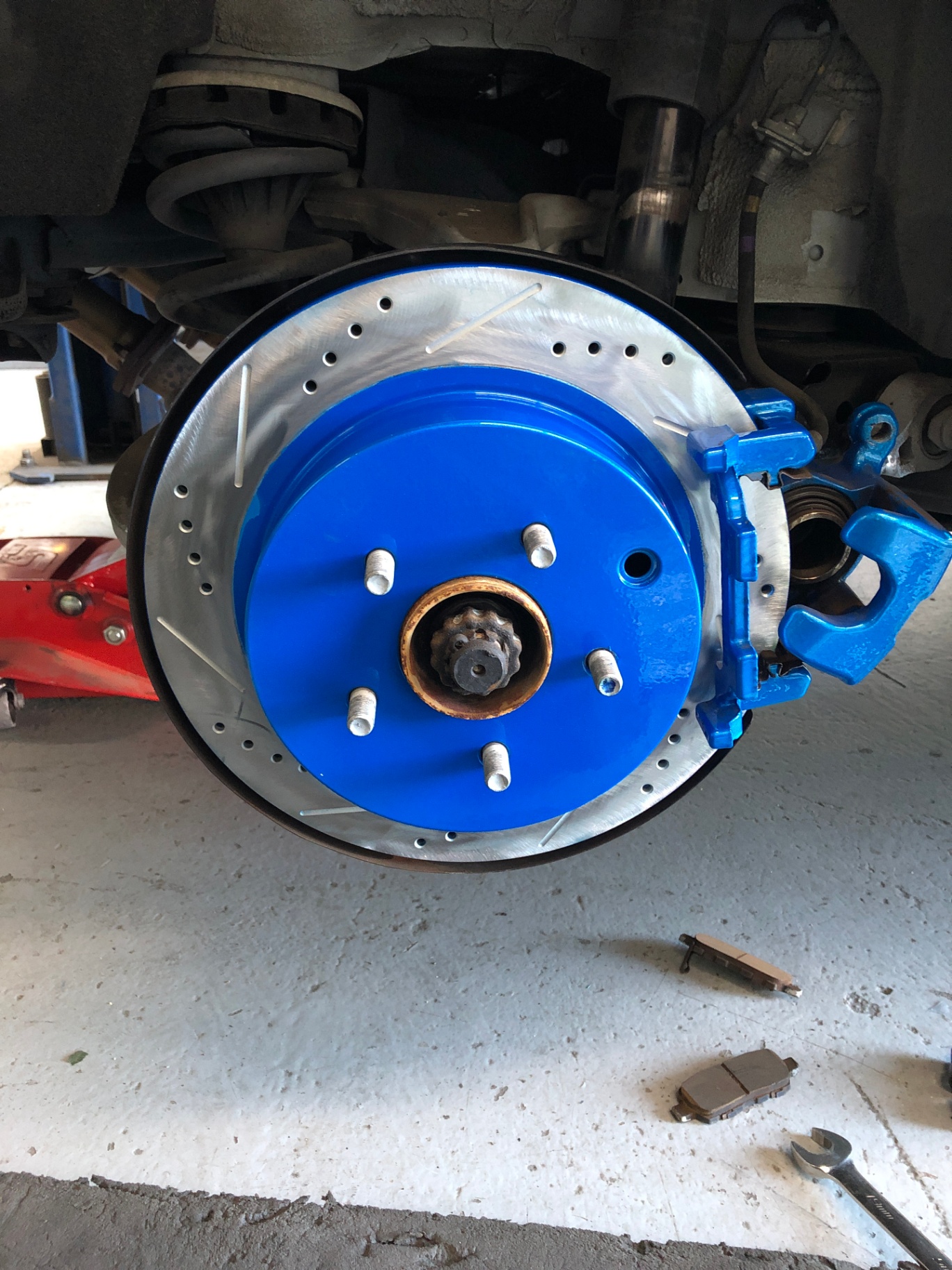
The facility stocks hundreds of powder colors, including solid colors, metallics, candies, and specialty finishes. Custom color matching is available for projects that require specific shades. The team can also apply multiple colors to a single part or create custom graphics.
Frequently Asked Questions
How much does powder coating cost?
Pricing depends on part size, complexity, and color choice. Wheels typically cost less per piece when done as a set. Small parts like brake calipers or motorcycle components fall into a different price range. Contacting the shop with specific part details provides the most accurate quote.
How long does powder coating last?
When properly applied and maintained, powder coating can last 15-20 years or longer. The finish resists chipping, scratching, and fading far better than paint. Regular cleaning helps maintain the appearance, but the coating itself requires no special maintenance.
Can damaged powder coating be repaired?
Small chips or scratches can sometimes be touched up with paint, though the repair may not perfectly match the original finish. Larger damage typically requires stripping and recoating the entire part to achieve a uniform appearance.
Does powder coating add weight to parts?
The coating adds minimal weight: typically a few ounces for most automotive or bicycle parts. The thickness is measured in mils (thousandths of an inch), so the weight increase is negligible compared to the durability benefits.
What should be done before bringing parts in?
Parts should be disassembled as much as possible. Remove bearings, bushings, clips, and any components that should not be coated. The cleaner the parts arrive, the faster they can be processed. For wheels, tires and valve stems should be removed.
Is powder coating available in chrome or polished finishes?
Powder coating cannot replicate a true chrome finish. However, chrome-effect powder colors are available that provide a bright, metallic appearance. For a true mirror finish, traditional chrome plating is required.
Ready to Start Your Powder Coating Project?
The first step is gathering basic information about the project: what parts need coating, what color or finish is desired, and what timeline works best. This information allows the team to provide an accurate quote and estimated completion date.
San Jose customers can call, email, or visit the Santa Cruz facility to discuss project details. Photos of the parts help the team assess condition and provide more precise estimates. For standard items like wheels or calipers, the process is straightforward and turnaround times are predictable.
Custom projects or unusual parts may require additional discussion about preparation, masking, or special handling. The team walks through these details before starting work to ensure the final result meets expectations.
Powder Coat It has been serving the Bay Area since 2010, building relationships with car clubs, motorcycle shops, fabricators, and individual enthusiasts. The facility continues to expand its capabilities while maintaining the attention to detail that earned its reputation.
For San Jose residents considering powder coating, the short drive to Santa Cruz provides access to a full-service shop with the experience and equipment to handle projects of any size. Whether the goal is refreshing a daily driver's wheels, building a show-winning custom, or protecting outdoor railings, powder coating delivers durable results that paint simply cannot match.
Powder Coat It
Santa Cruz, California
Serving San Jose, the Bay Area, and Monterey County since 2010
Phone: (831) 435-9558
Website: www.powdercoatitsc.com
Request a Quote: Contact Us
Shipping available throughout California and beyond.
Recent Comments