

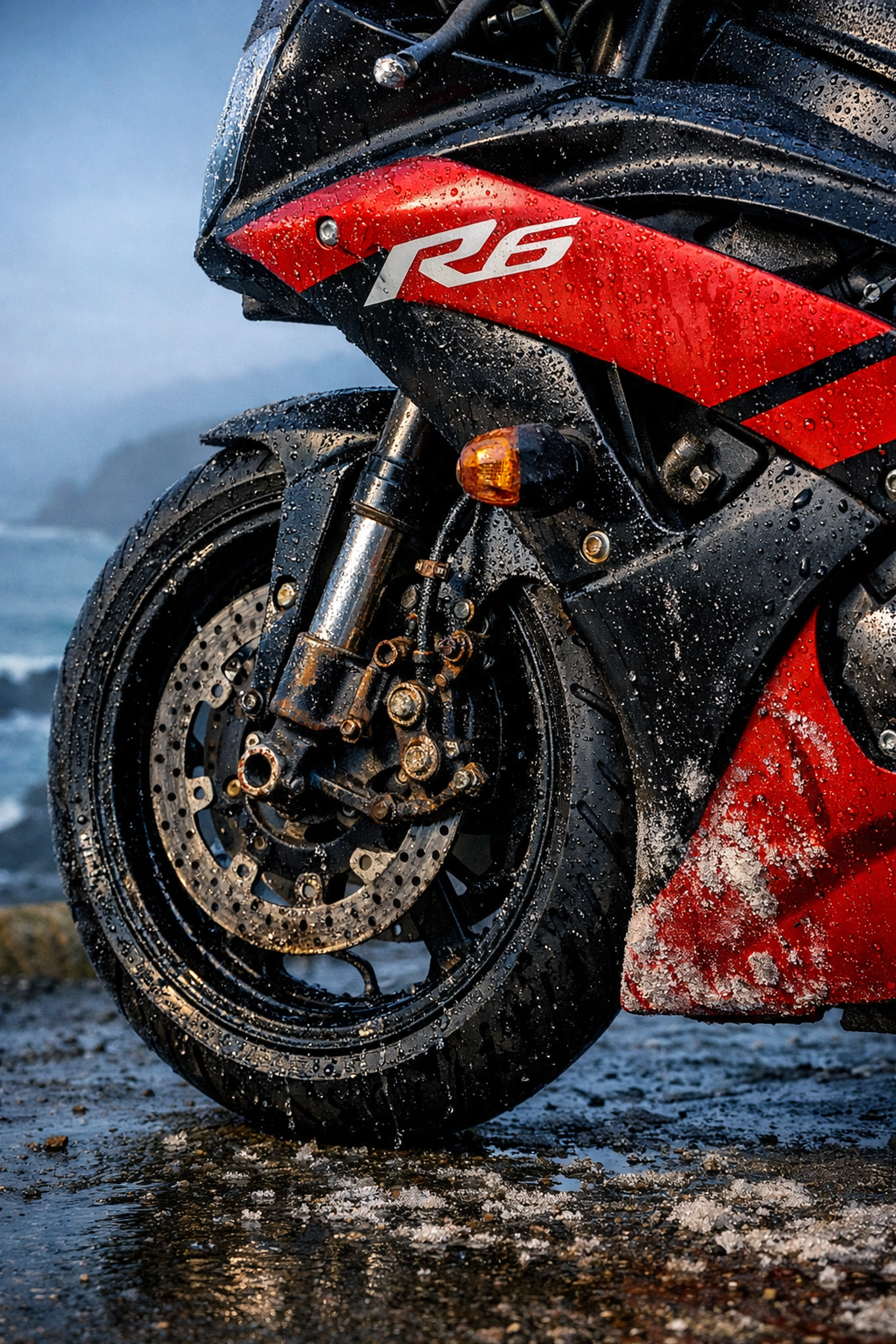
Japanese sport bikes are performance machines built for speed and precision. Honda CBRs, Yamaha R6s, Suzuki GSX-Rs, and Kawasaki Ninjas dominate the coastal roads between Santa Cruz and Monterey, carving through canyons and cruising along Highway 1. But that same coastal environment that makes riding so scenic creates a serious problem: salt corrosion.
The salt air and persistent coastal fog in Santa Cruz and Monterey expose motorcycles to corrosive elements every single day: even when the bike isn't being ridden. For sport bikes with lightweight aluminum components, exposed fasteners, and high-performance exhaust systems, this exposure leads to pitting, rust, and degraded finishes faster than most riders expect.
Why Japanese Sport Bikes Are Vulnerable to Coastal Corrosion
Japanese sport bikes prioritize weight savings and performance. This design philosophy means extensive use of aluminum alloys for wheels, swingarms, engine cases, and subframes. Aluminum corrodes differently than steel: it develops white, powdery oxidation and pitting when exposed to saltwater and moisture.
Factory finishes on these components are typically clear-coated or anodized. While these treatments provide some protection, they weren't designed for the constant salt exposure found in coastal California. Small chips, scratches, or road debris create entry points where salt penetrates beneath the protective layer. Once corrosion starts underneath the finish, it spreads rapidly.
Exhaust systems face an even harsher challenge. The combination of extreme heat cycles and salt exposure creates the perfect environment for that ugly rust-brown discoloration on stainless steel headers and mid-pipes. The heat accelerates oxidation, and salt compounds the problem. Within a single season, a brand-new exhaust system can look years old.
Where Corrosion Hits Sport Bikes First
Certain areas on Japanese sport bikes corrode faster than others. Wheels are the most exposed component: they pick up salt spray from the road, brake dust, and moisture from fog. The intricate spoke designs and tight spaces where the wheel meets the tire bead trap salt and moisture, creating persistent corrosion even after washing.
Fasteners and brackets throughout the bike are another weak point. Sport bikes have hundreds of bolts, many made from steel or lower-grade stainless that rusts quickly in salt air. These fasteners hold fairings, foot pegs, exhaust hangers, and subframe components. When they corrode, they become difficult to remove and can snap during routine maintenance.
The swingarm and lower fork areas remain constantly exposed to road spray. On bikes ridden near the coast, white aluminum oxidation appears on these surfaces within months. Engine cases, especially the lower sections near the drain plug and oil filter, also develop corrosion from salt accumulation.
Exhaust headers and mid-pipes undergo intense heat cycles that accelerate oxidation. Factory finishes on exhaust components break down quickly when subjected to both high temperatures and salt exposure. The result is a dull, rust-stained appearance that's nearly impossible to remove through polishing alone.
Powder Coating for Wheels and Components
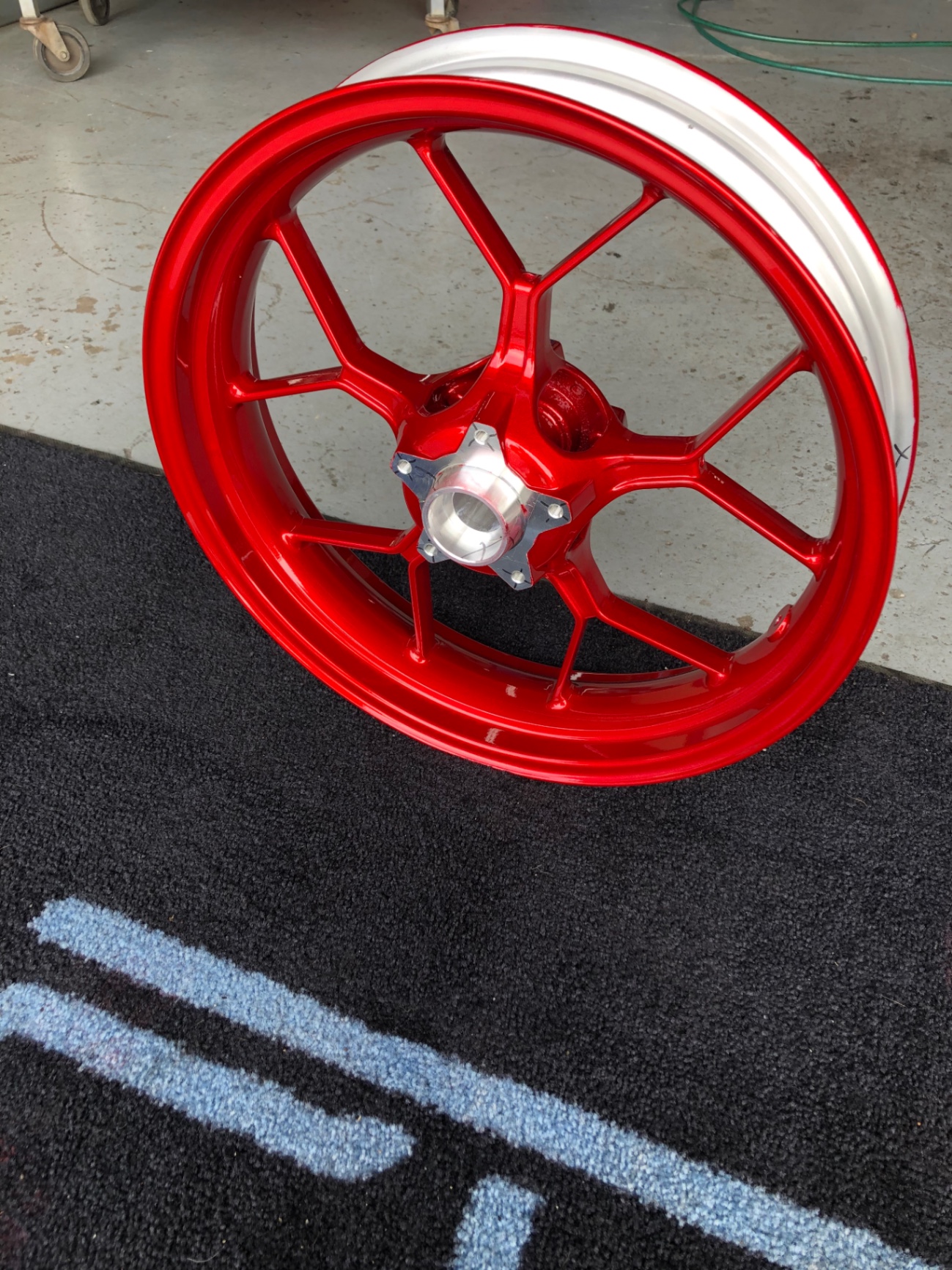
Powder coating provides a significantly more durable barrier against salt corrosion than factory finishes. The process involves applying dry powder to the metal surface and then curing it at high temperatures. This creates a chemical bond that's thicker and more resistant to chipping than traditional paint or clear coat.
For sport bike wheels, powder coating offers protection that lasts years instead of months. The finish resists brake dust, road chemicals, and salt spray while maintaining a clean, consistent appearance. Unlike factory clear coat that chips and peels at impact points, powder coating flexes slightly and holds up better to rocks and debris.
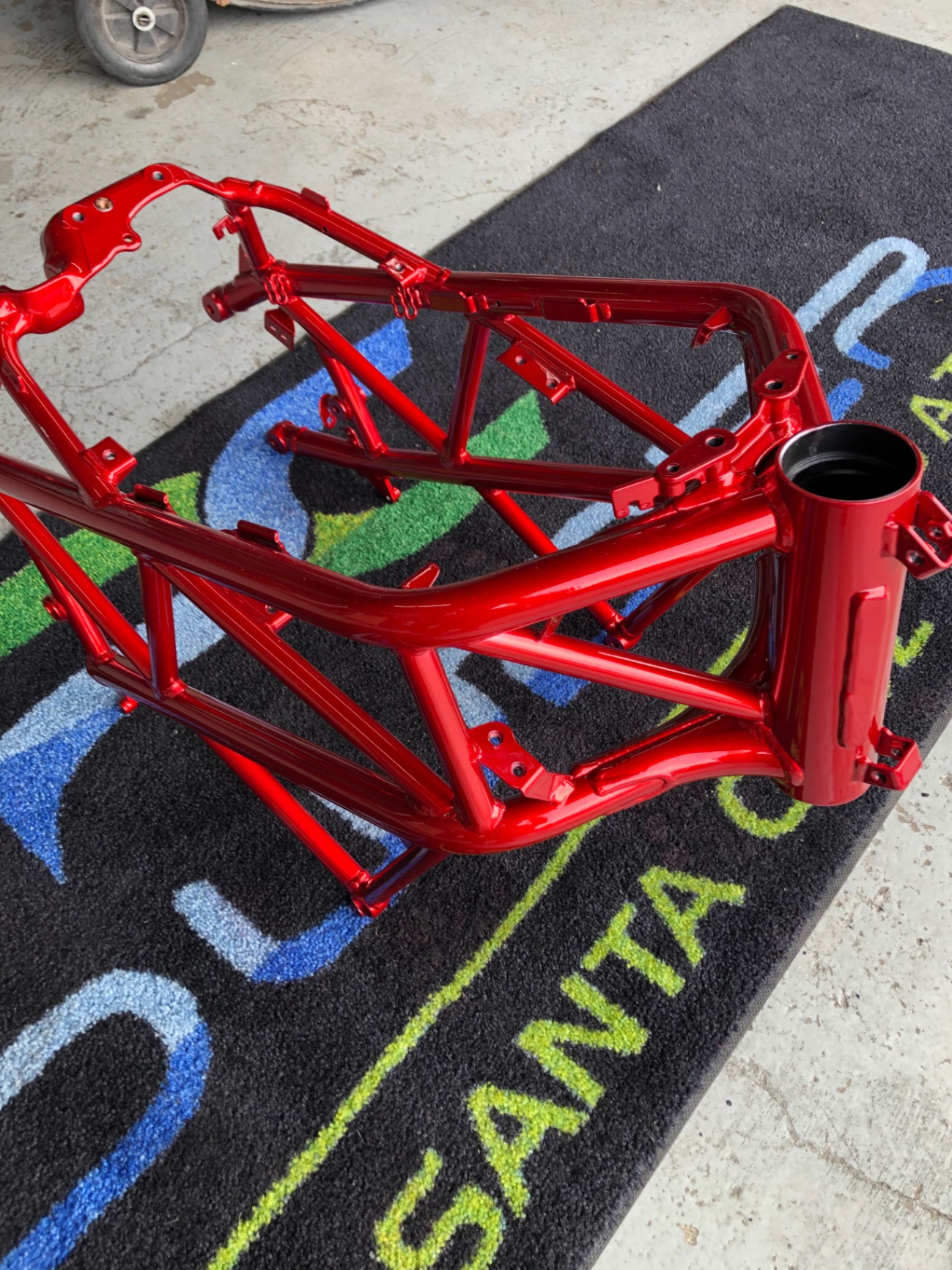

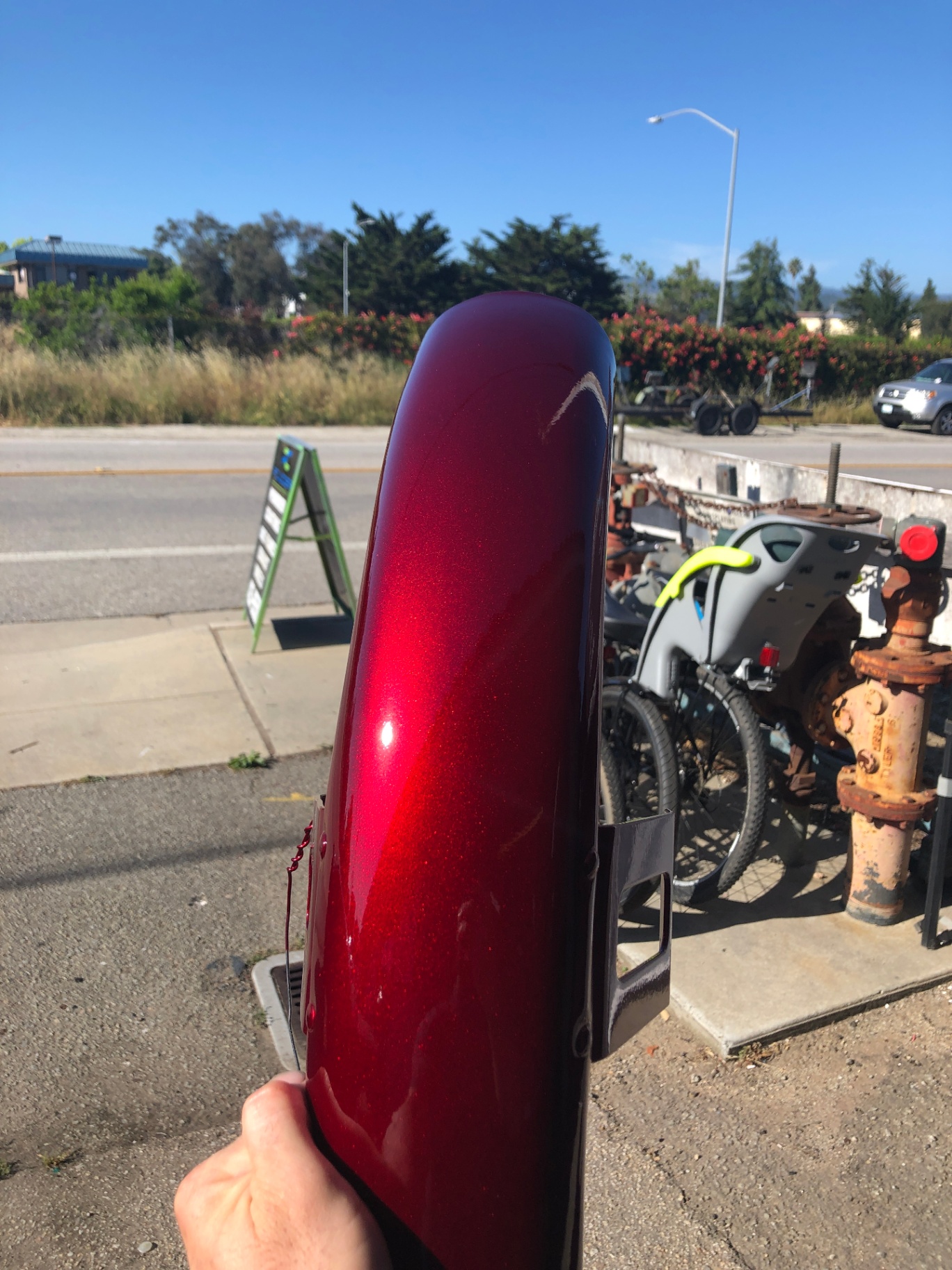
The powder coating process at Powder Coat It begins with complete disassembly and media blasting to remove all existing finishes and corrosion. This ensures the new coating bonds directly to clean metal. The wheels are then chemically cleaned, powder-coated, and cured in ovens to create a finish that's both attractive and highly protective.
Color options extend far beyond factory specifications. Many riders choose satin black or gloss black for a stealthy look, while others select color-matched finishes to complement their bike's fairings. Custom colors like bronze, gold, or contrasting accent colors are popular for track bikes and show builds.
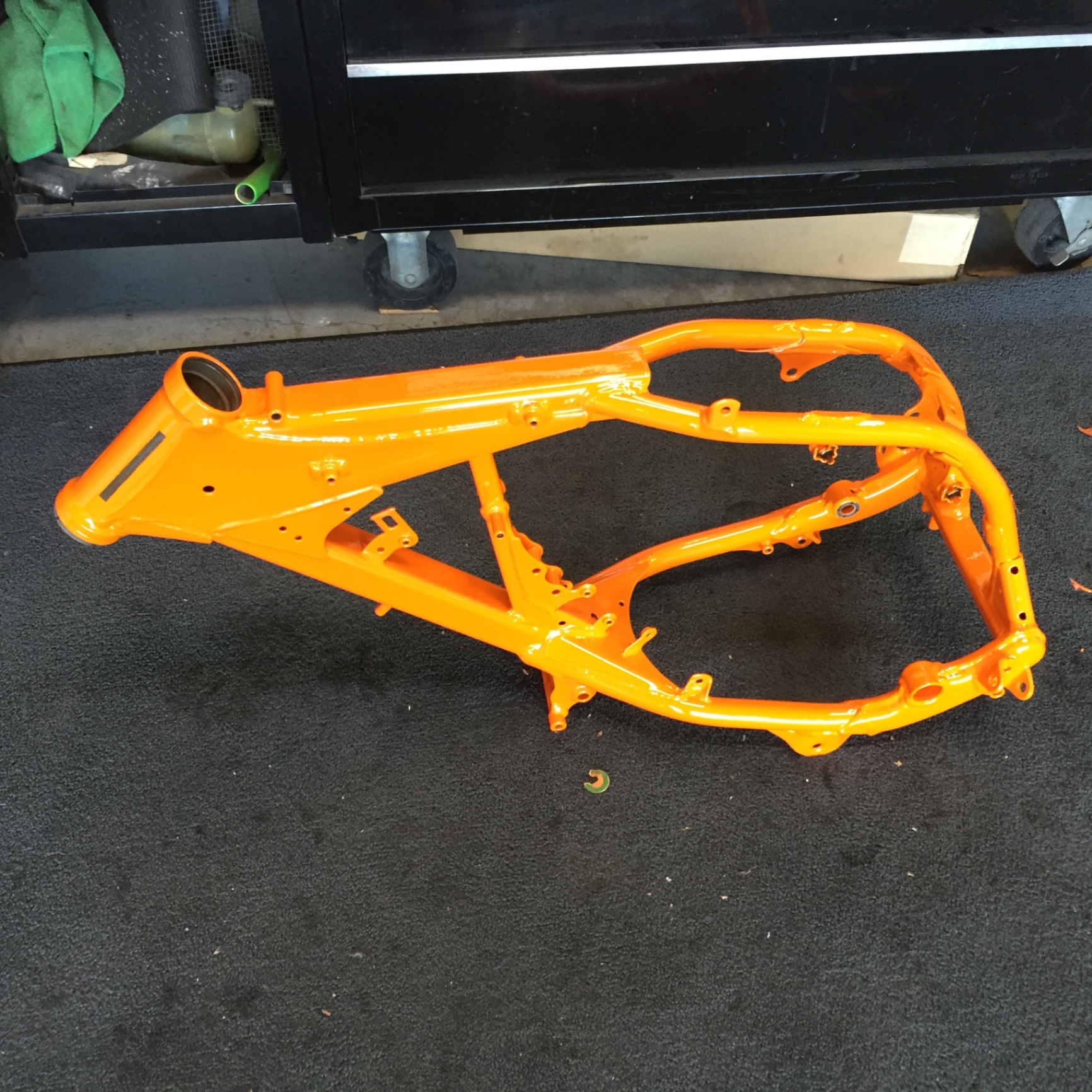
Beyond wheels, powder coating works exceptionally well for subframes, swingarms, foot pegs, and triple clamps. Any aluminum or steel component that bolts onto the bike can be powder coated. Riders restoring older sport bikes frequently have entire frame sections powder coated to eliminate existing corrosion and prevent future oxidation.
The coating thickness provides impact resistance that factory finishes can't match. Dropped bikes, paddock stands, and track spills that would scratch or chip traditional finishes often leave powder coating unmarked. This durability matters in both street and track environments where the bike sees regular use.
Cerakote for Exhaust Systems
Exhaust systems require a different approach. Standard powder coating can't withstand the extreme heat produced by sport bike exhaust headers, which regularly exceed 1,200 degrees Fahrenheit. For these applications, ceramic coating: specifically Cerakote: provides the necessary heat resistance while protecting against corrosion.
Cerakote is a ceramic-based finish engineered to handle high temperatures without breaking down or discoloring. When applied to exhaust headers and mid-pipes, it prevents the rust-brown oxidation that develops on stainless steel. The coating also helps manage heat by creating a thermal barrier that keeps exhaust gases hotter inside the pipe, improving scavenging and slightly reducing underbody heat.
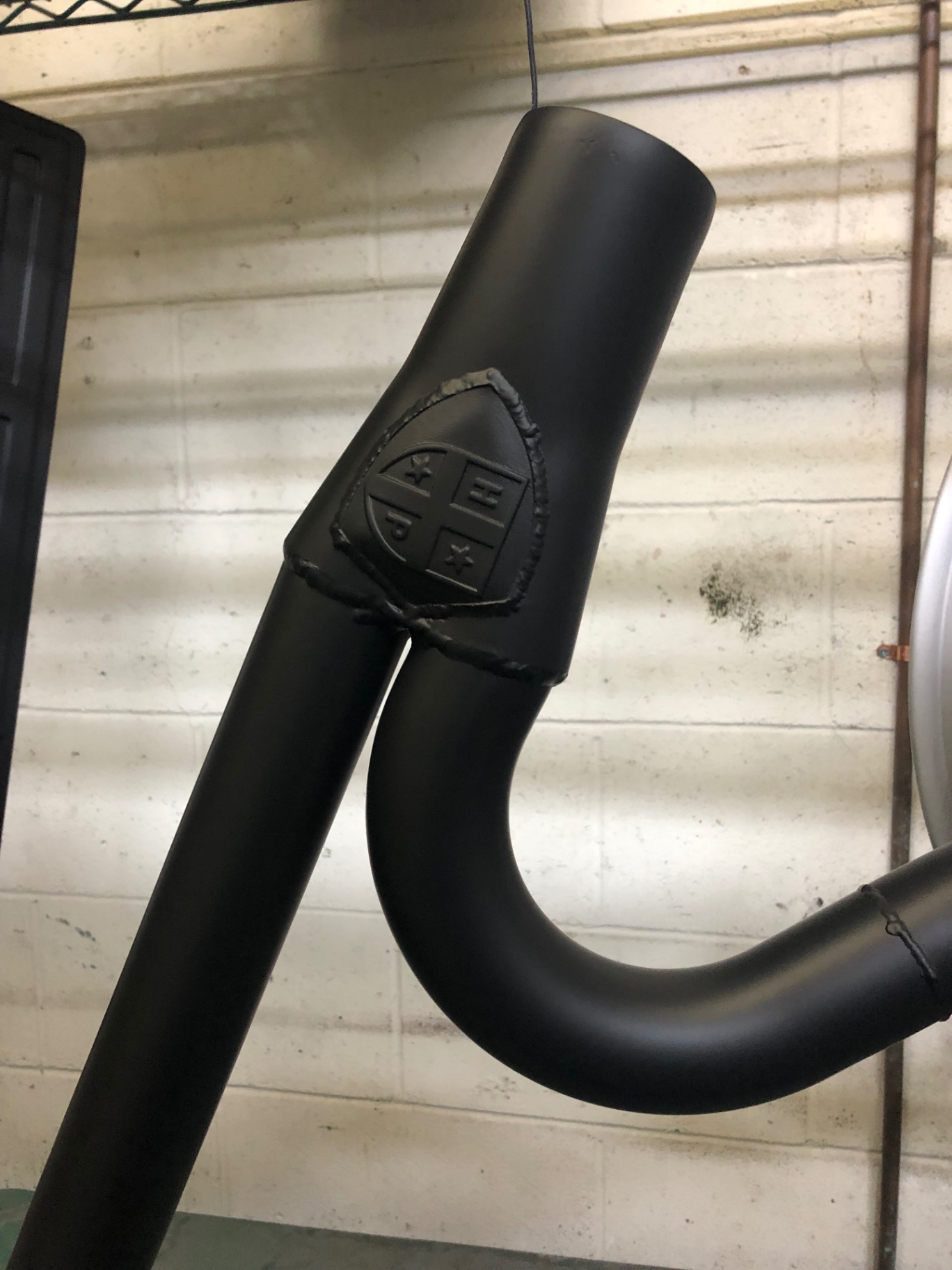
For riders who track their R6s, GSX-Rs, or Ninjas, ceramic-coated exhausts maintain their appearance lap after lap. The finish doesn't blister, flake, or fade even under repeated heat cycles. On street bikes, the coating prevents the unsightly discoloration that makes aftermarket exhaust systems look aged and neglected.
The application process involves thorough cleaning and preparation of the exhaust components to remove oils, carbon deposits, and existing oxidation. The ceramic coating is then applied and cured to create a bonded finish that becomes part of the metal surface. Color options include matte black, polished silver, and titanium gray: finishes that complement both OEM and aftermarket exhaust designs.
Cerakote also works for other heat-exposed components like exhaust clamps, heat shields, and radiator shrouds. Any part that experiences elevated temperatures benefits from the coating's thermal stability and corrosion resistance.
Protection for Track and Street Use
Sport bikes see two distinct usage patterns: street riding and track days: and both benefit from protective coatings. Street riders face daily salt exposure from coastal fog and occasional rain. Track-focused bikes endure extreme heat cycles, aggressive brake dust, and the occasional crash.
Powder-coated wheels hold up to track abuse better than factory finishes. The hard, bonded surface resists the constant application and removal of tire warmers, paddock stand marks, and the inevitable scrapes from loading and unloading in the pits. Brake dust washes off easily without staining or etching the finish.
For street riders in Santa Cruz, Monterey, and San Jose, the corrosion protection extends the life of expensive components. A set of aftermarket wheels can cost thousands of dollars. Powder coating them adds minimal cost compared to replacement when corrosion pits the aluminum or clear coat fails.
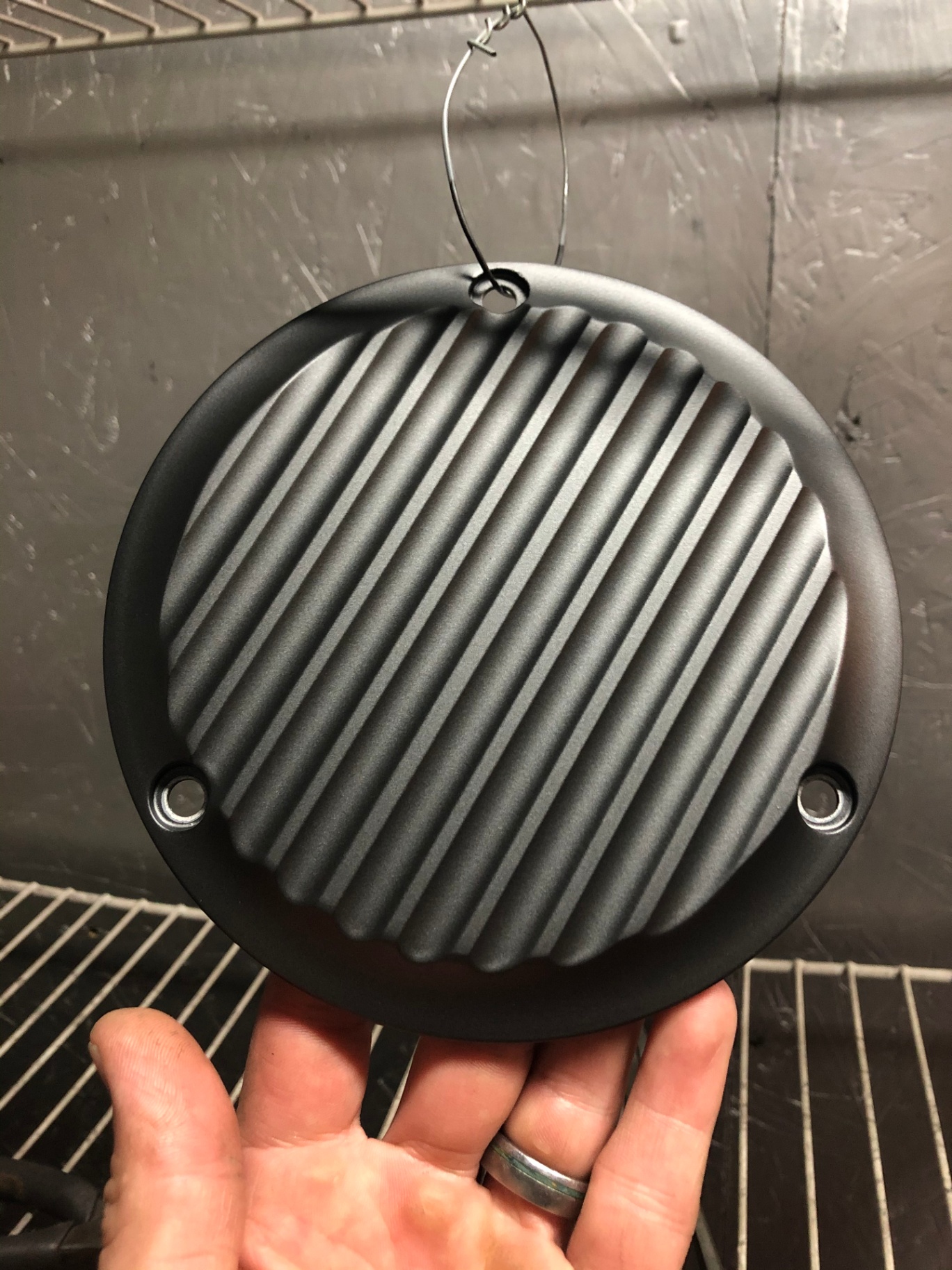
Ceramic-coated exhausts maintain their appearance regardless of use. Track bikes benefit from improved heat management, while street bikes avoid the embarrassment of rust-stained pipes. The coating doesn't affect exhaust flow or performance: it simply protects and preserves.
The combination of powder-coated components and ceramic-coated exhausts creates a bike that looks sharp year after year. Riders who garage their bikes and maintain them regularly still face salt air infiltration in coastal areas. Protective coatings provide insurance against an environment that never stops trying to corrode exposed metal.
Local Solutions for Coastal Riders
Powder Coat It, located in Santa Cruz, specializes in motorcycle powder coating and ceramic coating services for sport bikes. The shop has handled hundreds of Japanese sport bike projects since opening in 2010, from complete frame-off restorations to simple wheel refinishing.
Riders from Monterey and San Jose regularly make the trip to Santa Cruz for powder coating and Cerakote services. The shop's proximity to Highway 1 and Highway 17 makes it accessible for riders who want to drop off components or complete bikes for coating. Many riders choose to ride their bikes to the shop, enjoy the coastal roads, and return later to pick up their finished components.
The process begins with consultation to determine which components need coating and what finishes work best for the rider's goals. Wheels are the most common request, followed by exhaust systems and subframe components. Turnaround time varies depending on project scope, but most wheel sets are completed within a week.
For riders interested in powder coating Santa Cruz or Cerakote Santa Cruz services, the shop provides detailed quotes and examples of previous work. The photo gallery showcases finished sport bike projects, including wheels, frames, and engine components in various colors and finishes.
Contact information and service details are available through the shop's website. Riders can schedule drop-offs, discuss custom colors, or ask questions about motorcycle powder coating processes and pricing.
Powder Coat It
Santa Cruz, CA
Established 2010
Contact:
Website: www.powdercoatitsc.com
Email: contact-us
Phone: Available on website
Professional powder coating and ceramic coating services for motorcycles, automotive parts, and custom projects. Serving Santa Cruz, Monterey, San Jose, and the greater Bay Area.
Recent Comments