


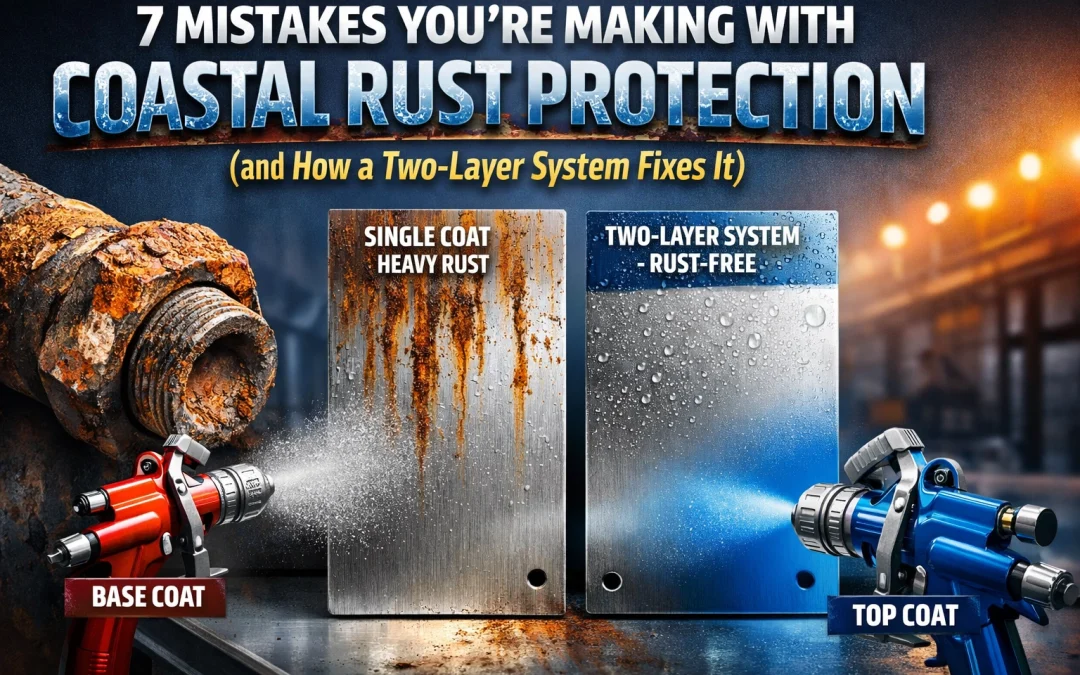
Living on the coast in Santa Cruz offers beautiful views and a refreshing breeze, but the salt-laden air is a constant threat to metal surfaces. Whether it is a classic car chassis, a set of custom wheels, or patio furniture, the proximity to the ocean accelerates the oxidation process. Corrosion is not just an aesthetic issue; it weakens the structural integrity of automotive parts and metal assemblies.
Many people attempt to protect their investments using standard methods, only to find rust bubbling under the surface within a year. There are common misconceptions regarding how rust forms and how to effectively stop it in a maritime environment. Understanding these pitfalls is the first step toward achieving a long-lasting, durable finish.
At Powder Coat It, located right here in Santa Cruz, specialized techniques have been developed since 2010 to combat the unique challenges of coastal living. By identifying the mistakes made with traditional rust protection, a superior path forward can be found through a professional two-layer powder coating system.
1. Relying on Single-Layer Coatings
The most frequent mistake made in coastal rust protection is the assumption that a single layer of paint or powder coat is sufficient. While a single topcoat provides color and a basic barrier, it is often vulnerable to microscopic pores or "pinholes" that occur during the curing process. In a coastal environment, salt molecules are small enough to penetrate these tiny gaps.
Once salt and moisture reach the raw metal substrate, corrosion begins immediately. Because the rust is happening underneath the coating, it often goes unnoticed until the finish begins to flake or blister. A single-layer system lacks the redundancy needed to survive the high-salinity air of the Monterey Bay. A secondary barrier is required to ensure that even if the top layer is scratched or compromised, the metal remains shielded.
2. Using Moisture-Trapping Systems
It is a common error to apply heavy, rubberized undercoatings or thick "rust-proofing" sprays that never truly harden. While these products are marketed as barriers, they can often trap moisture against the metal. If the surface is not perfectly dry or if the coating develops a small crack, water is sucked in through capillary action and held there.
This creates a "greenhouse effect" for rust. The metal remains constantly damp, and because the coating is opaque, the damage is hidden from view. By the time the coating is removed, the metal underneath is often severely pitted or rotted through. Professional powder coating, when applied correctly, creates a molecular bond with the surface that prevents moisture from being trapped between layers.
3. Applying Rigid, Brittle Finishes
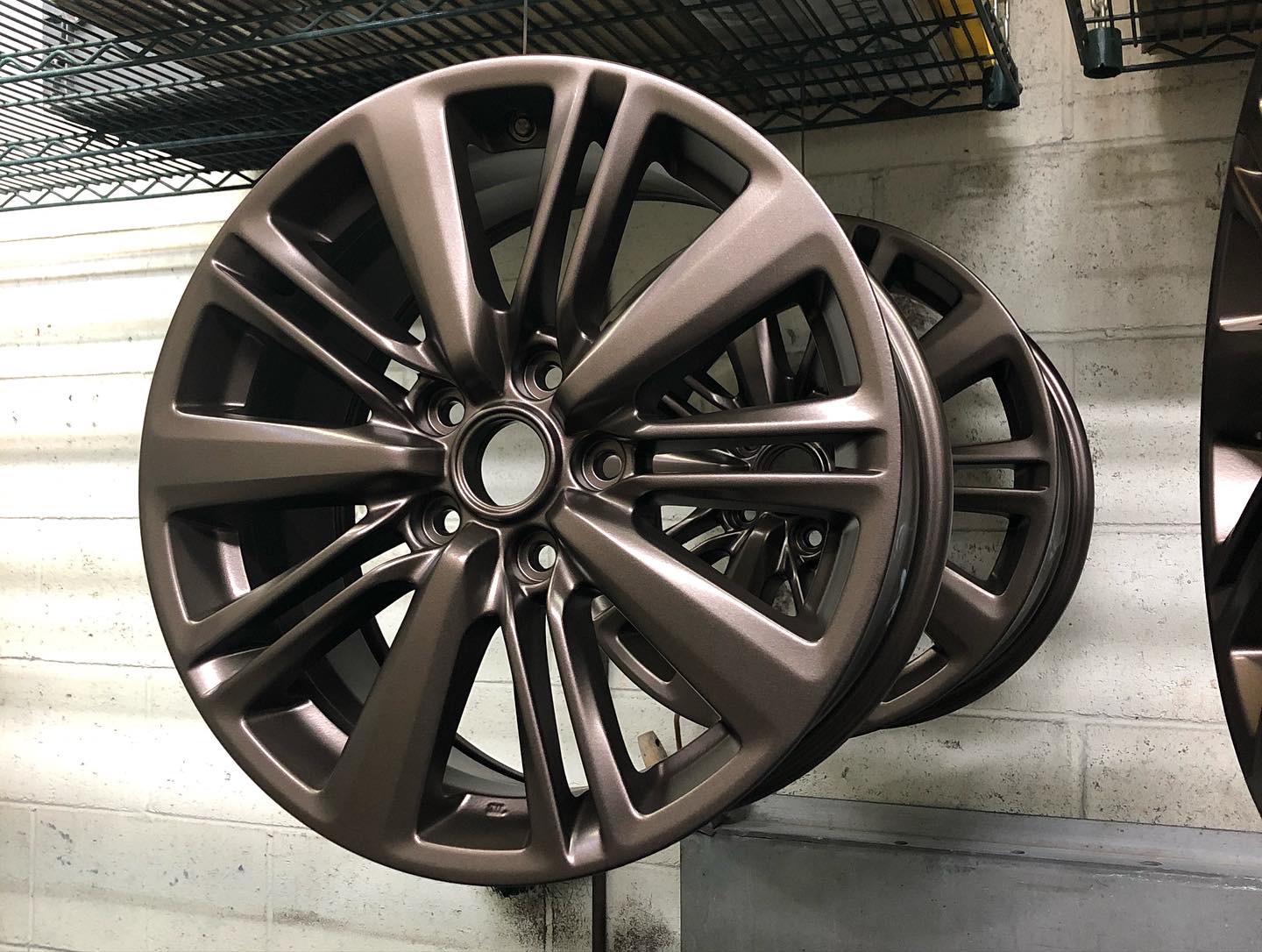
Coastal environments are not just salty; they are also subject to temperature fluctuations and physical vibrations, especially in automotive applications. Many traditional paints and low-quality coatings cure into a very rigid, brittle shell. As the metal expands and contracts with the heat of the sun or the operation of the vehicle, the brittle coating develops micro-cracks.
These cracks become gateways for salt spray. Once the seal is broken, the coating loses its effectiveness. A high-quality two-layer system utilizes materials that maintain a degree of flexibility. This allows the coating to move with the metal, ensuring the protective seal remains intact even under stress. Information on the durability of these finishes can be found on our what is powder coating page.
4. Neglecting Enclosed Cavities and Seams
Rust rarely starts on a flat, open surface where it can be easily cleaned. Instead, it initiates in the "nooks and crannies": the welded seams, bolt holes, and interior cavities of a part. A common mistake is focusing only on the visible exterior of a component while leaving the interior edges raw or lightly protected.
In Santa Cruz, the fog rolls in and deposits moisture into these hidden areas. If these spots are not reached during the cleaning and coating process, the part will eventually fail from the inside out. A professional process involves thorough media blasting to clean these tight spots, followed by an electrostatic application that pulls the powder into recessed areas that traditional spray cans simply cannot reach.
5. Systems Without Active Corrosion Inhibitors
Many coatings act only as a physical barrier. While a barrier is helpful, it does nothing to stop the chemical reaction of rust if the barrier is breached. A major mistake in coastal protection is failing to use a "sacrifical" layer.
A zinc-rich primer is the solution to this problem. Zinc is more chemically active than steel. When moisture penetrates the coating, the zinc "sacrifices" itself by corroding instead of the steel. This is the same principle used in galvanized steel and marine ship hulls. Without an active inhibitor like zinc, a simple scratch on a car frame will quickly turn into a spreading rust spot.

6. Accepting Lower Dielectric Strength
In technical terms, corrosion is an electrochemical process. It involves the flow of electrons between different areas of the metal. If a coating has low dielectric strength, it allows this electrical process to occur more easily. Some multi-layer systems used in DIY settings absorb moisture over time, which lowers their resistance and allows rust to spread faster.
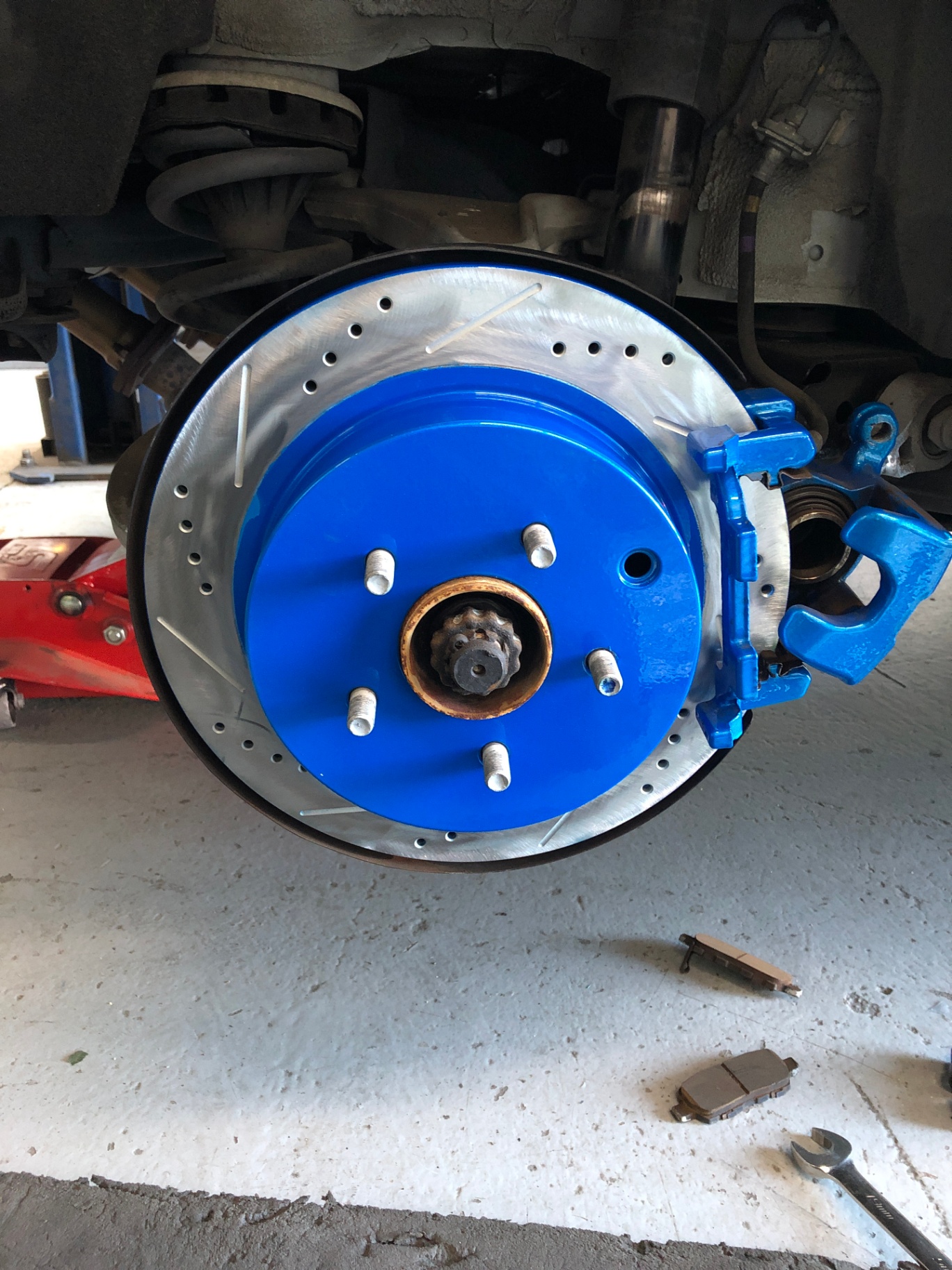
High-quality powder coatings are engineered to have high dielectric strength. They act as insulators, breaking the electrical circuit required for rust to form. This is particularly important for parts like brake calipers and wheel assemblies that are constantly exposed to road salts and moisture.
7. Prioritizing Application Speed Over Surface Prep
The final and perhaps most costly mistake is rushing the preparation phase. Rust protection is only as good as the surface it is sticking to. Applying a high-end coating over old paint, oil, or existing oxidation is a recipe for failure.
In a coastal setting, even invisible salt deposits must be removed before coating. If salt is left on the metal, it will pull moisture through the coating via osmosis. Professional shops spend 70% of their time on preparation: media blasting the metal to a "white metal" finish and using chemical cleaners to ensure total de-contamination. Only then is the metal ready for the two-layer system.
How the Two-Layer System Fixes It
To overcome these seven mistakes, Powder Coat It utilizes a specific two-layer process designed for maximum longevity. This system is the gold standard for anyone living near the ocean or looking for the ultimate in automotive protection.
Step 1: The Zinc-Rich Primer
After the part is thoroughly cleaned and sandblasted, a zinc-rich primer is applied. This layer serves two purposes. First, it fills in the microscopic profile of the metal, creating a smooth base. Second, it provides the "sacrificial" protection mentioned earlier. If the part is ever hit by a rock or scratched, the zinc prevents the rust from "creeping" under the rest of the finish.
Step 2: The Durable Topcoat
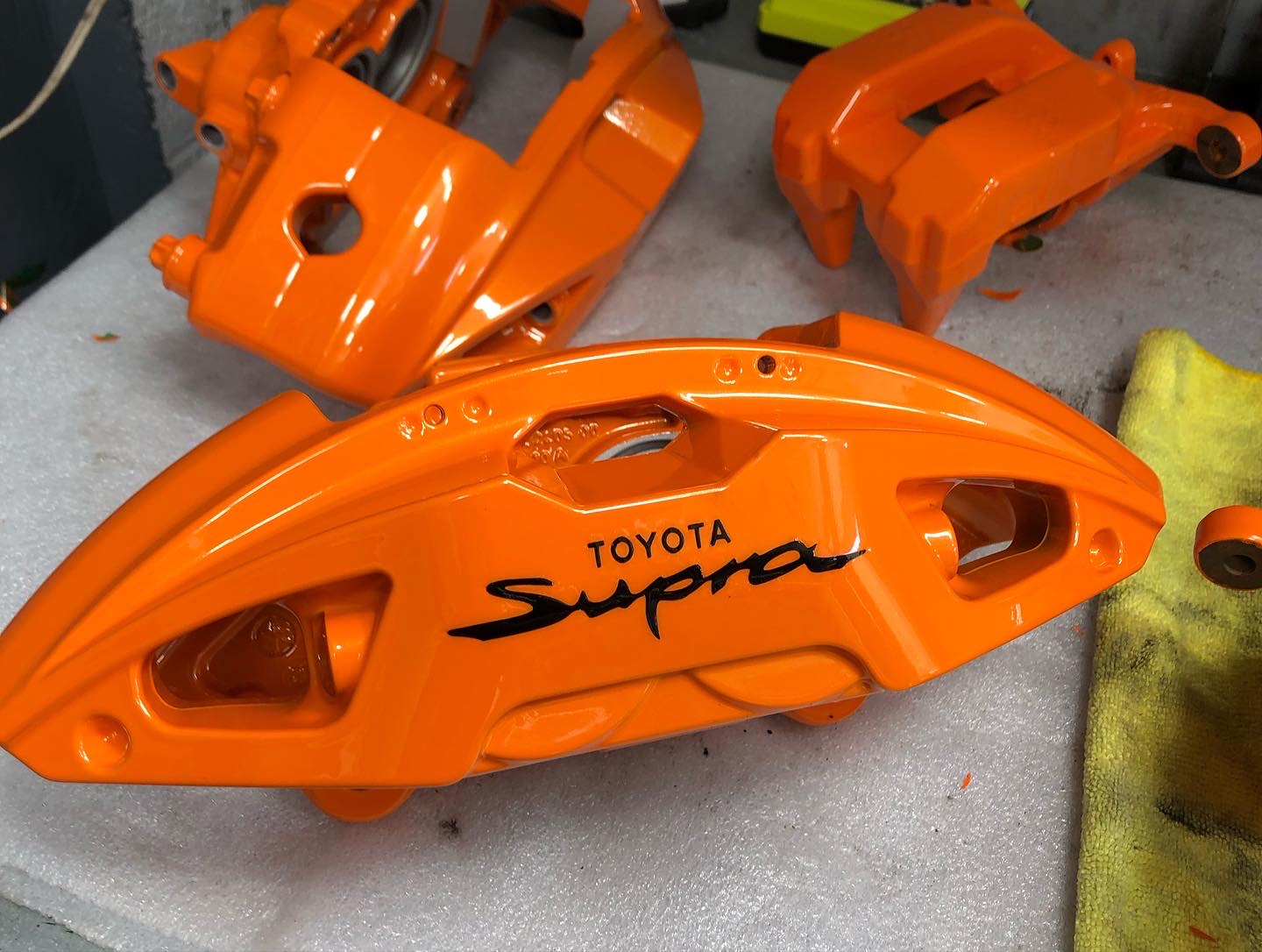
Once the primer is partially cured, the final color coat is applied. This is the layer that provides the UV resistance, chemical resistance, and the specific look the customer desires. Whether it is a glossy black Porsche wheel or a vibrant custom color, this topcoat acts as the primary shield against the environment.

The Curing Process
The parts are placed in a specialized oven where the powder is heated to a liquid state. The two layers fuse together, creating a thick, tough, and non-porous skin. This "fusing" is what makes powder coating much more durable than traditional wet paint. The result is a finish that is several times thicker than paint and far more resistant to the salt spray common in Santa Cruz.
Why Experience Matters in Santa Cruz
The team at Powder Coat It has been perfecting these techniques since 2010. Dealing with the specific humidity and salt levels of the California coast requires local expertise. Not all powder is created equal; different formulations are chosen based on whether the part will be in direct sunlight or under a vehicle.
For those interested in seeing the results of this two-layer system, the photo gallery showcases a wide range of projects, from industrial parts to high-end automotive restorations. Choosing the right colors and textures is also a major part of the process, and a vast library of colors is available to ensure the final product looks as good as it performs.
Practical Outcomes for Your Projects
When the mistakes of the past are corrected with a professional two-layer system, the benefits are immediately apparent:
- Longevity: Parts that would typically rust in a single season can now last for years without signs of oxidation.
- Reduced Maintenance: The smooth, non-porous surface of powder coating is easy to clean. Salt and road grime can be washed away with simple soap and water.
- Enhanced Appearance: Beyond protection, the two-layer system allows for deep, rich colors and finishes that maintain their "new" look far longer than spray paint.
- Resale Value: For automotive enthusiasts, documented rust protection from a reputable shop adds significant value to the vehicle.
By avoiding the pitfalls of single-layer, poorly prepped, or rigid coatings, metal assets can be preserved against the harsh coastal elements. The combination of local Santa Cruz expertise and a dedicated two-layer zinc-rich system provides the peace of mind that your metal is truly protected.
If you have questions about a specific project or want to learn more about our process, feel free to visit our contact page or stop by the shop.
Powder Coat It
7000 Soquel Avenue
Santa Cruz, CA 95062
Phone: (831) 435-9558
Website: www.powdercoatitsc.com
Recent Comments