

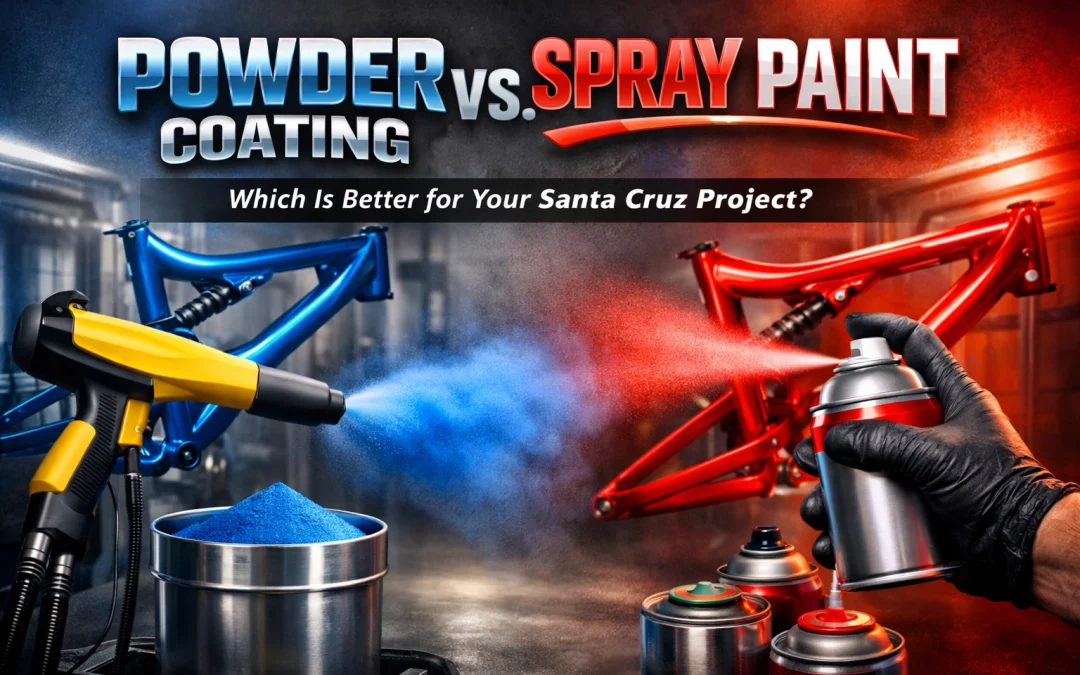
When a metal project requires a fresh look or protective layer, the choice between powder coating and spray paint is often the first decision made. In coastal environments like Santa Cruz and the broader Bay Area, this choice is particularly significant due to the high moisture and salt content in the air. Both methods provide color and a degree of protection, but the chemical compositions and application processes differ greatly.
Selecting the right finish involves understanding how each material interacts with the underlying metal. For automotive parts, patio furniture, and bicycles, the longevity of the finish is usually the priority. This guide explores the technical differences, practical benefits, and environmental impacts of both options to assist in determining the best fit for local projects.
Understanding the Methods
What is Powder Coating?
Powder coating is a dry finishing process that has gained immense popularity since it was introduced in North America in the 1960s. Instead of using a liquid carrier, this method utilizes a mixture of finely ground particles of pigment and resin. These particles are electrostatically charged and sprayed onto a grounded metal surface.
Once the part is coated, it is placed into a specialized curing oven. Under high heat: typically around 400 degrees Fahrenheit: the powder melts and chemically reacts to form a "cross-linked" polymer chain. This creates a heat-fused finish that is essentially a skin wrapped around the metal. At Powder Coat It, which has served the region since 2010, this process is monitored closely to ensure a uniform and thick layer is achieved. More information on the specifics of this technology can be found on our what is powder coating page.
What is Spray Paint?
Spray paint, or traditional liquid paint, consists of pigments suspended in a liquid solvent or carrier. The application is performed using a compressed air sprayer or a simple aerosol can. Unlike powder, liquid paint relies on the evaporation of the solvent for the finish to dry and harden.
Because the liquid must flow to level out, it is applied in much thinner layers. While multiple coats can be used to build up the surface, the bond is mechanical rather than chemical. This traditional method is often chosen for small DIY tasks or items that cannot be subjected to the high temperatures of a curing oven, such as plastics or wood.
Durability and Resilience in Coastal Climates
The durability of a finish is measured by its resistance to impact, moisture, chemicals, and UV light. In Santa Cruz, the "durable finish" is a necessity because of the relentless salt spray.
Powder coating is significantly thicker than spray paint. A typical powder coat ranges from 2 to 6 mils in thickness, while a standard spray paint application often measures less than 1 mil. This added thickness provides a robust barrier against physical damage. When a rock hits a powder-coated wheel, the finish is more likely to deflect the impact rather than chip or crack.
Furthermore, the heat-fused nature of powder coating makes it less porous than liquid paint. This is a critical factor in preventing "creep corrosion," where rust begins under the paint and spreads. Because the powder is fused to the metal, there are fewer microscopic pathways for salt and water to reach the substrate.

The Impact on the Environment
Environmental considerations are a major factor for projects in the Bay Area. Traditional spray paint contains Volatile Organic Compounds (VOCs), which are solvents that evaporate into the atmosphere as the paint dries. These compounds contribute to air pollution and require specific ventilation and disposal protocols to meet California's strict environmental regulations.
In contrast, powder coating is a solvent-free process. Because there are no liquids to evaporate, the release of VOCs is virtually eliminated. Additionally, any "overspray": the powder that does not stick to the part during application: can often be collected and reused. This leads to a transfer efficiency of nearly 95% in some systems, compared to the 30-35% efficiency typical of liquid spray systems. For those looking for an eco-friendly way to update their items, powder coating provides a cleaner alternative.
Common Applications in Santa Cruz
Automotive and Wheels
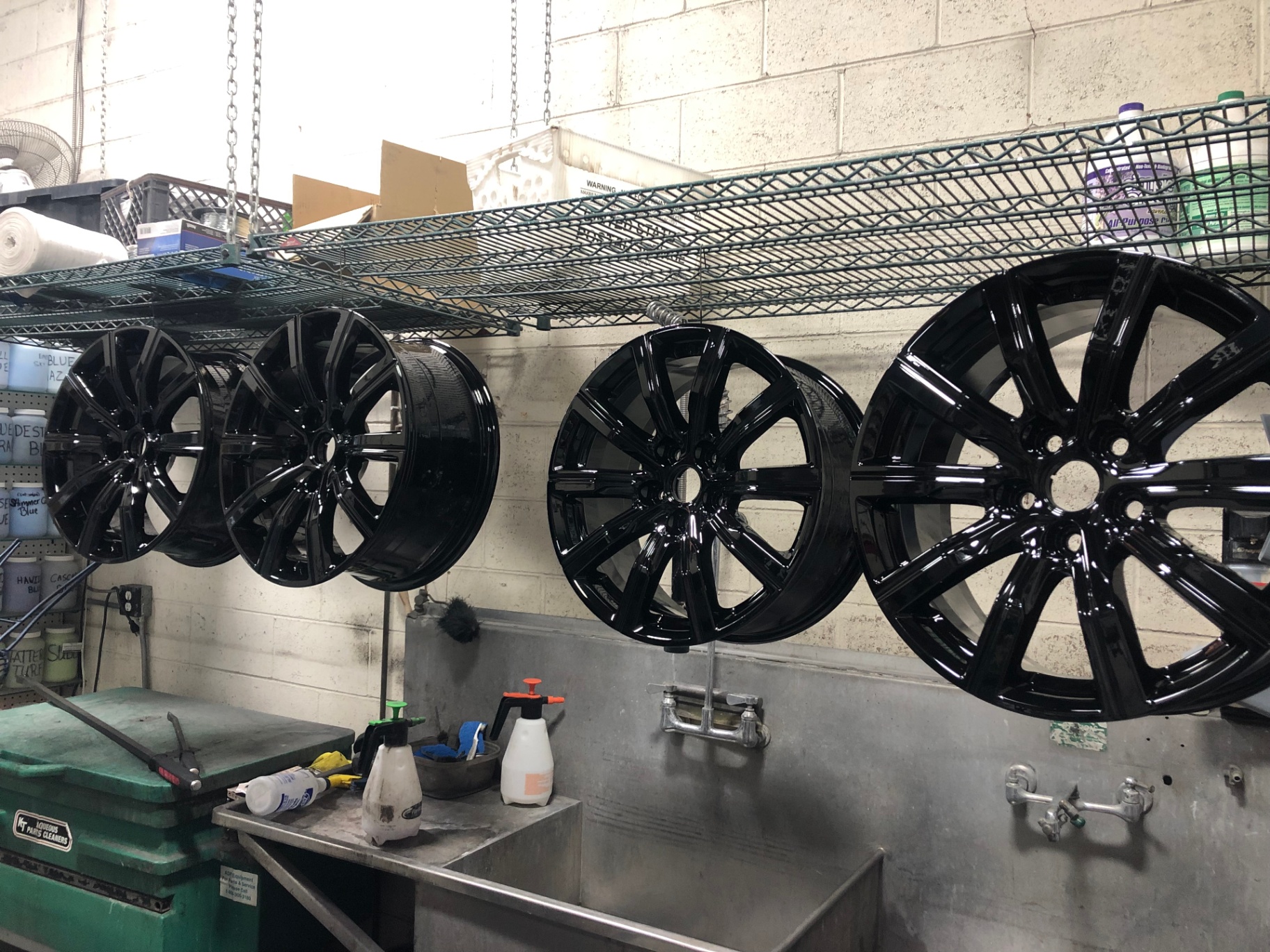
Automotive enthusiasts frequently choose powder coating for components that face high stress and debris. Wheels, brake calipers, and suspension parts are the most common candidates for this service. A "durable finish" on wheels ensures that brake dust and road grime can be cleaned off easily without scratching the surface.

The high-gloss or matte finishes available through powder coating are often more vibrant and consistent than liquid paint. For specialized automotive needs, such as california calipers, the heat resistance of powder is an added benefit. While spray paint might flake off under the high temperatures of braking, powder coating remains stable.
Patio Furniture Restoration
Outdoor furniture in Santa Cruz is constantly under attack from the elements. Iron and aluminum chairs often show signs of rust and peeling paint within a few years of purchase. Powder coating is an effective way to refresh rusty metal patio furniture.

Because the coating covers every nook and cranny of the metal frame, it seals the furniture completely. This prevents the "pitting" that often occurs with spray paint when moisture gets trapped in joints or under the surface. A metallic blue or bronze finish can turn an aging set of furniture into a centerpiece for a backyard.
Bicycles and Recreation
Santa Cruz is a hub for cycling, and frames are often subjected to mud, gravel, and sweat. Powder coating is the preferred method for frame restoration because it can withstand the vibration and flexing that occurs during a ride. Unlike spray paint, which can become brittle and crack, powder coating maintains a degree of flexibility that is ideal for bike frames.

A metallic gold or neon finish can be applied to give a bike a "unique look" while protecting the integrity of the metal. You can learn more about this in our post regarding why powder coating is the best choice for bike frames.
The Importance of Preparation: Sandblasting Santa Cruz
No finish: neither powder nor paint: will last without proper surface preparation. In the coating industry, it is often said that the finish is only as good as the preparation underneath it.
"Sandblasting Santa Cruz" is a common search for a reason; the removal of old paint, rust, and oils is essential. Sandblasting involves blasting the metal with abrasive media at high pressure. This process does two things:
- It strips the metal down to its bare, clean state.
- It creates a "profile" or a slightly roughened surface that allows the powder to grip the metal more effectively.
If spray paint is applied over an oily or rusted surface, it will inevitably peel. When a professional shop like Powder Coat It handles a project, sandblasting is the first and most vital step in the sequence. This ensures that the heat-fused finish has the best possible foundation for long-term adhesion.
Long-Term Value vs. Initial Cost
When comparing powder coating vs spray paint, the initial cost of powder coating is typically higher. This is due to the specialized equipment required, including the electrostatic spray booth and the industrial curing oven. Spray paint can be done at home for the price of a few cans of paint, making it the lower-cost entry point.
However, the value of powder coating is realized over time. A spray-painted surface on a patio chair or a car wheel may need to be redone every two to three years as it begins to chip and fade. A powder-coated surface can last 15 to 20 years with minimal maintenance. When the cost of labor and materials for repainting is factored in, powder coating is the more economical choice for any item intended to be kept for a long duration.
Conclusion
For projects in Santa Cruz and the Bay Area, the choice between powder coating and spray paint usually comes down to the environment and the desired lifespan of the item. While spray paint offers convenience and a low entry price for temporary fixes, powder coating provides a superior, heat-fused barrier that is built to last.
Whether the goal is to protect a set of wheels from road salt, restore a beloved bicycle, or save a patio set from the landfill, the durability and environmental benefits of powder coating make it a standout choice. Choosing a professional finish ensures that the metal is protected, beautiful, and ready to face the elements for years to come.
Explore the possibilities of color and protection by visiting our photo gallery or checking out our available colors. When quality and longevity are the priorities, powder coating is the clear winner for any metal project.
Powder Coat It
7000 Soquel Avenue
Santa Cruz, CA 95062
Phone: (831) 435-9558
Website: www.powdercoatitsc.com
Recent Comments