

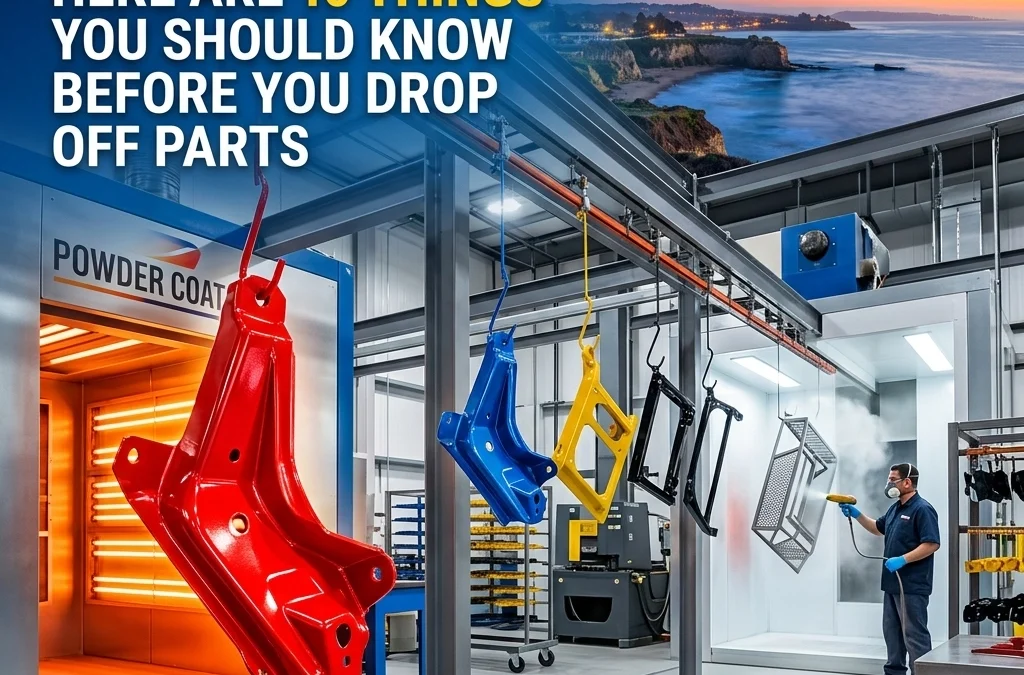
Locating quality powder coating in Santa Cruz, CA, is a priority for many vehicle owners, hobbyists, and homeowners. The coastal environment of the Monterey Bay presents unique challenges for metal items. Salt air and high humidity often lead to rapid corrosion and rust. Powder coating is a highly effective solution used to protect metal surfaces while providing a vibrant, custom appearance.
Powder coating is a dry finishing process that has become extremely popular since its introduction in North America in the 1960s. It is used on a wide array of products, from industrial machinery to household items. For those in the Santa Cruz area, understanding the nuances of this process ensures that the finished product meets expectations for both durability and aesthetics.
Before parts are dropped off at a facility, there are several technical and logistical factors to consider. This guide outlines ten essential things to know about powder coating in Santa Cruz to help project owners achieve the best results.
1. Powder Coating Is a Dry Process
Unlike traditional liquid paint, powder coating does not use a solvent to keep the binder and filler parts in a liquid suspension form. Instead, the coating is applied as a free-flowing, dry powder. This powder is typically a mixture of polymer resin, pigments, leveling agents, and other additives. These ingredients are melted, mixed, cooled, and ground into a uniform powder similar to baking flour.
The dry nature of the process allows for a thicker coating without the risk of running or sagging, which is often seen with liquid paint. This results in a more uniform finish across the entire surface of the part. Because no solvents are used, the process is also considered more environmentally friendly, as it releases negligible amounts of volatile organic compounds (VOCs) into the atmosphere.
2. The Role of Electrostatic Application
The application of the powder relies on physics. A specialized spray gun is used to apply an electrostatic charge to the powder particles. The metal part being coated is grounded, creating an attraction between the charged powder and the metal surface. This ensures that the powder wraps around the part, reaching crevices and backside areas that might be missed by a standard liquid spray.
This electrostatic attraction is what allows the powder to stay in place before it is cured. It creates a "one of a kind" bond that ensures every inch of the metal is covered. This is particularly beneficial for complex shapes like bicycle frames or intricate patio furniture.
3. Surface Preparation Is Critical
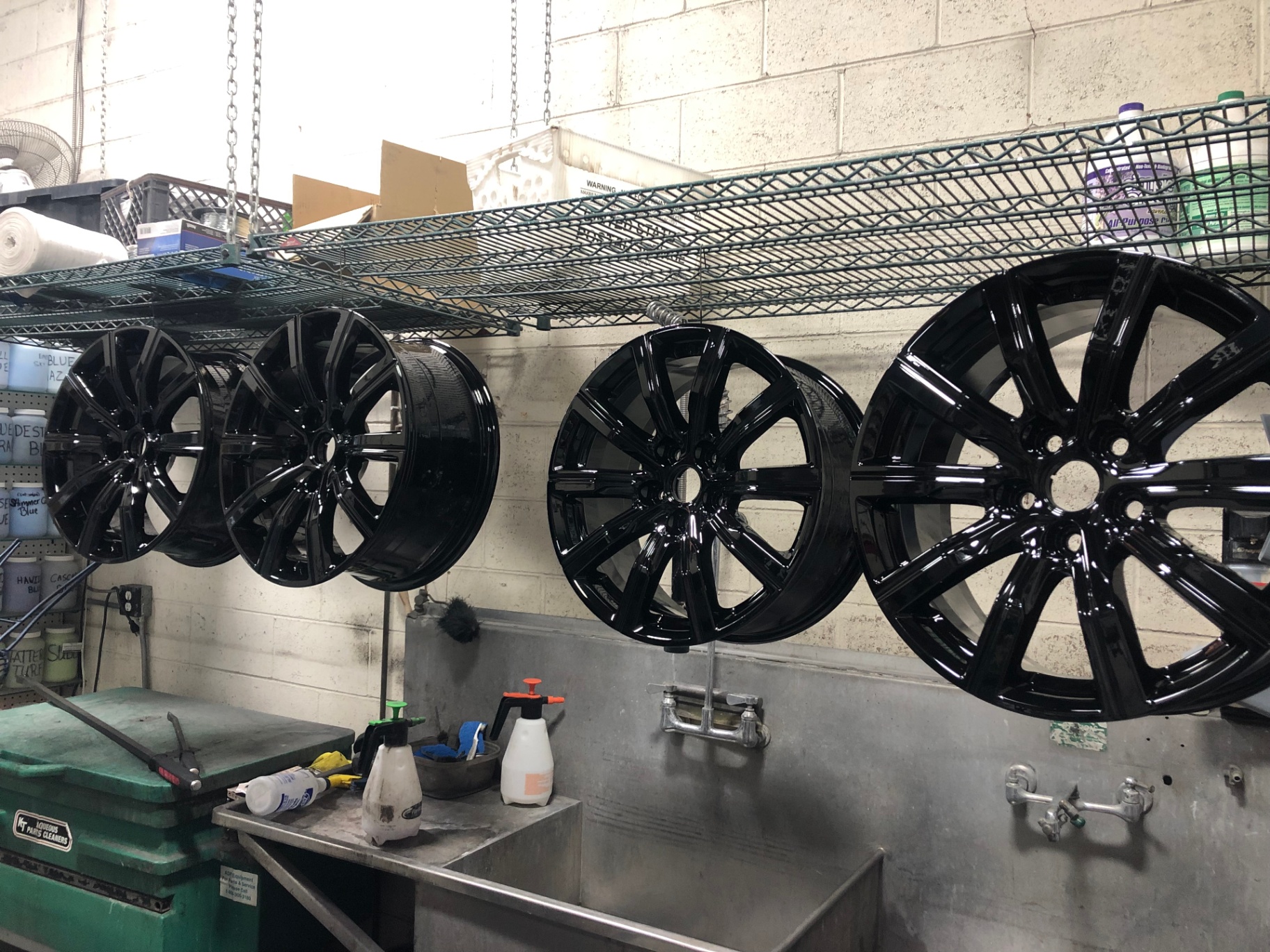
A powder coat is only as good as the surface underneath it. In Santa Cruz, many metal parts arrive with layers of old paint, rust, or grease. These contaminants must be completely removed for the powder to adhere correctly. Sandblasting is the most common method used to clean the metal.
By blasting the surface with abrasive media, the metal is stripped down to its bare state. This process also creates a "profile" or a slight roughness on the metal, which helps the powder "grip" the surface during the curing process. If parts are not properly cleaned, the coating may peel or bubble over time. It is standard practice for professional shops to handle this preparation in-house to ensure quality control.
4. Curing Requires High Heat
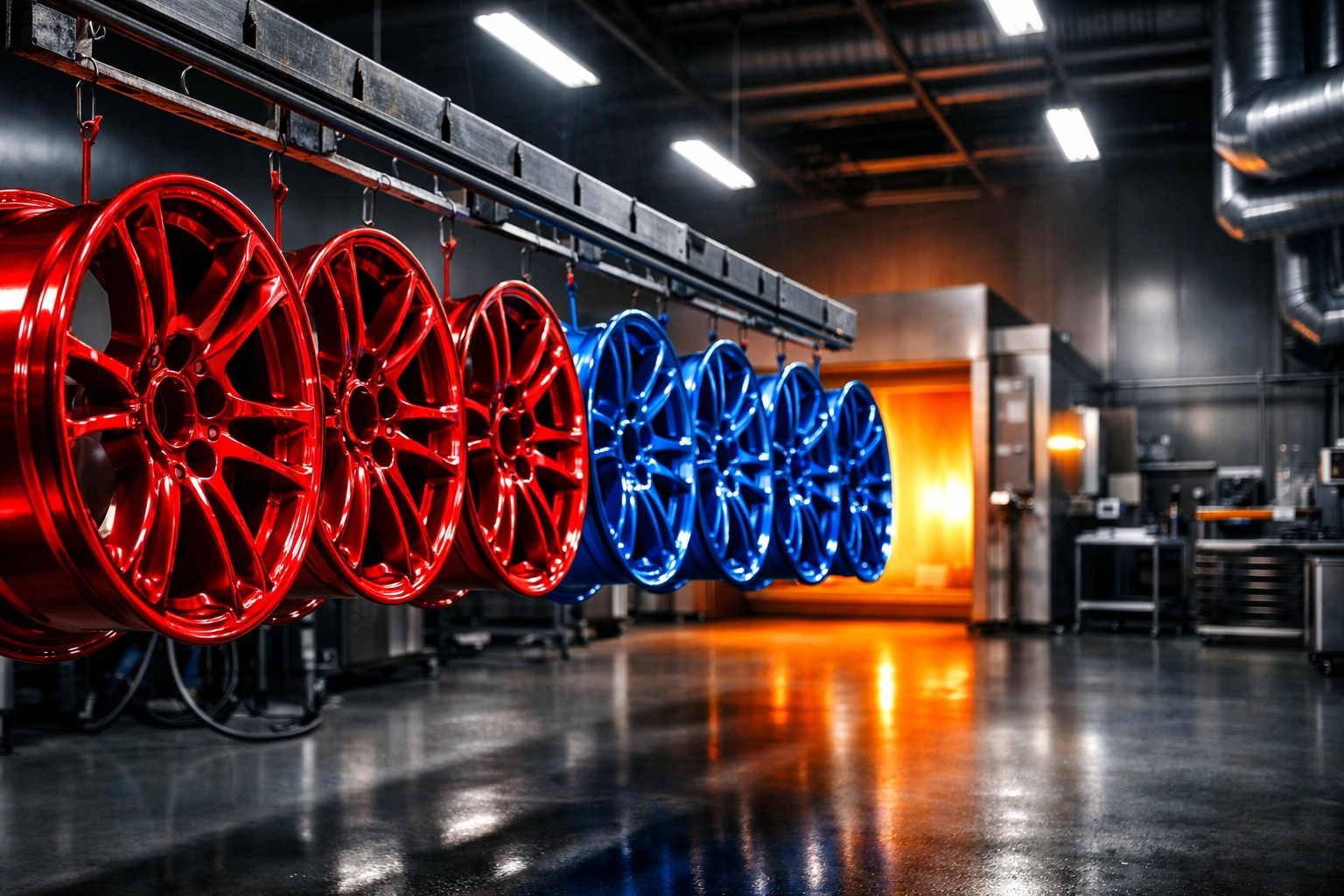
Once the powder is applied, the parts are placed into a large industrial oven. The curing process typically occurs at temperatures between 375 and 400 degrees Fahrenheit. During this time, the powder melts and flows together, undergoing a chemical cross-linking reaction.
This reaction creates a long-chain polymer structure that is very resistant to breakdown. After the parts are removed from the oven and allowed to cool, the finish is hard and ready for immediate use. Because of the heat required, only materials that can withstand 400-degree temperatures can be powder coated. This means plastic, wood, or rubber components must be removed before the process begins.
5. Powder Coating vs. Traditional Paint
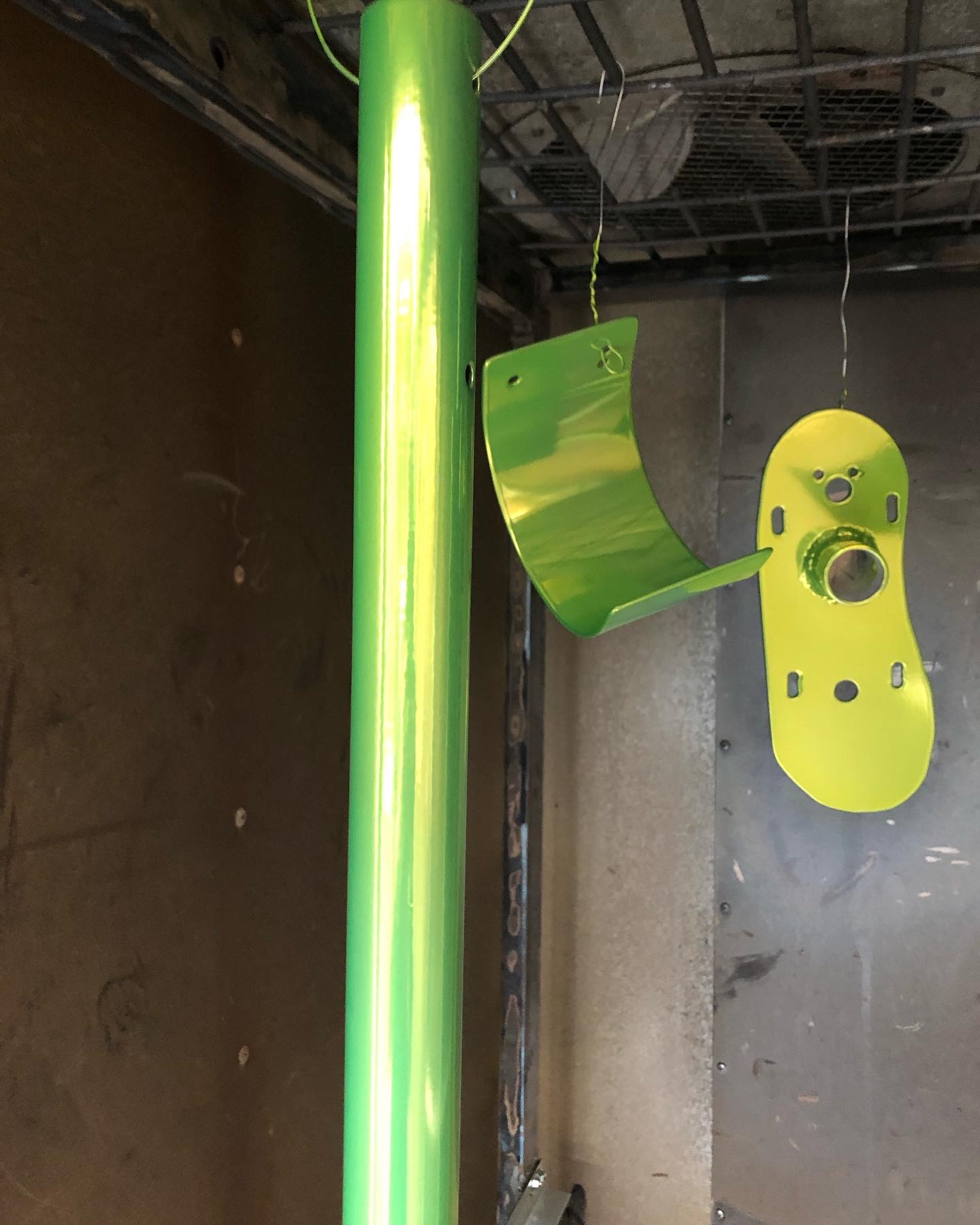
When comparing powder coating to traditional liquid paint, durability is the primary distinction. Powder coating is significantly more resistant to chipping, scratching, and fading. It is an ideal choice for automotive parts that face road debris, such as dodge-charger rims or suspension components.
While paint can offer a high-gloss finish, it is often more brittle. In the Santa Cruz climate, the flexibility of powder coating allows it to expand and contract with the metal during temperature changes without cracking. This provides a long-lasting protective barrier against the corrosive salt air of the coast.
6. What Can and Cannot Be Coated
Most metal items are excellent candidates for powder coating. Common projects in Santa Cruz include:
- Automotive rims and brake calipers.
- Bicycle and motorcycle frames.
- Patio furniture and garden gates.
- Industrial brackets and architectural trim.
However, items exposed to extreme heat, such as exhaust headers, should not be powder coated. The high heat of an engine exhaust will cause standard powder to burn or discolor. For these specific items, a ceramic coating is the appropriate choice. You can learn more about this in our article on ceramic coating for exhausts.
7. A Wide Range of Colors and Textures
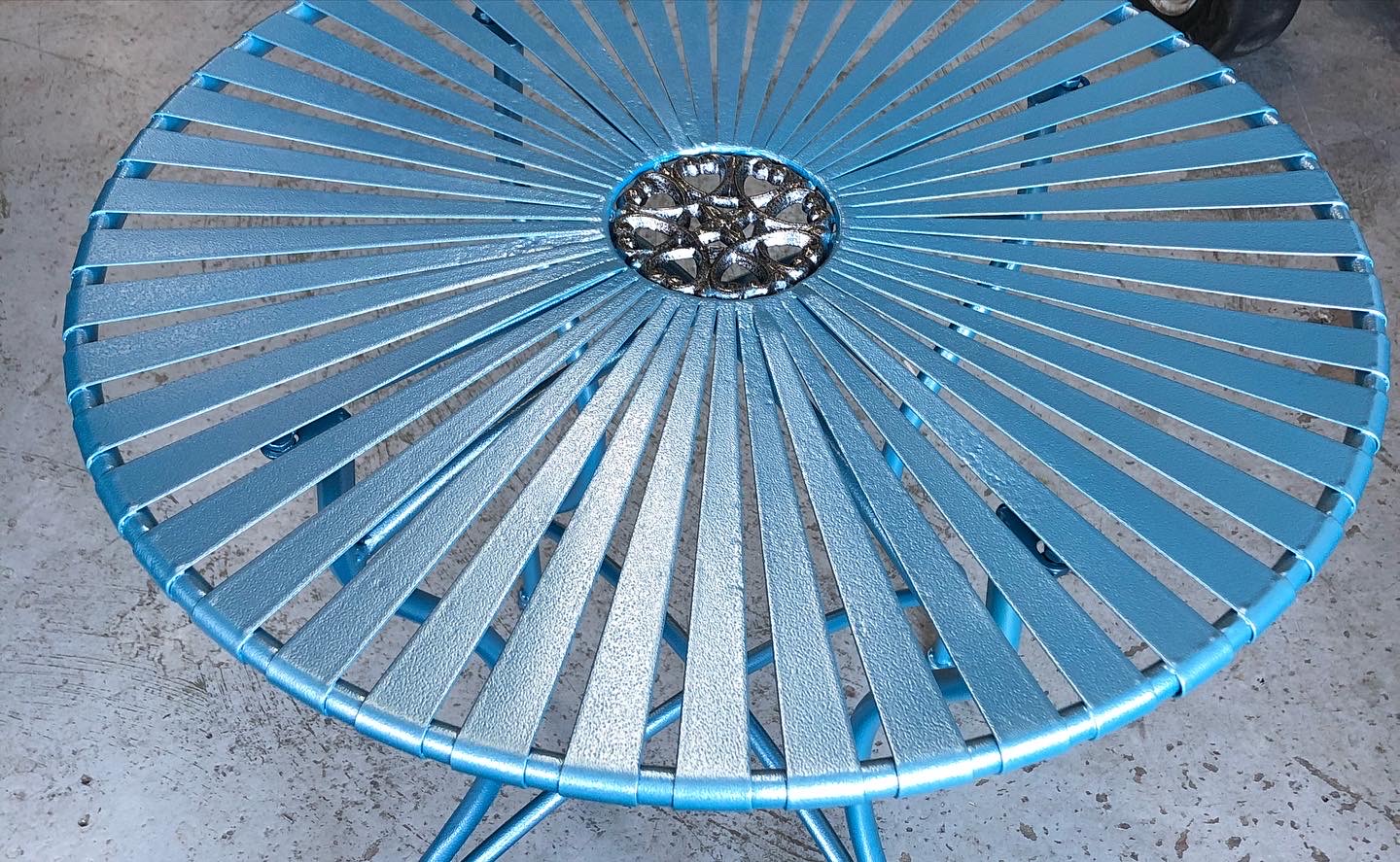
One of the most exciting aspects of powder coating is the variety of finishes available. Clients are not limited to basic black or silver. There are thousands of colors available, including metallic, neon, and transparent finishes.
Textures are also an option. A "wrinkle" or "sand" texture can be used to hide imperfections in the underlying metal, while a high-gloss finish provides a sleek, modern look. For those looking for a "unique look," custom colors can be ordered to match specific branding or vehicle themes.
8. Removal of Non-Metal Components
Before dropping off parts, it is important to ensure they are stripped of all non-metal attachments. This includes:
- Rubber bushings and seals.
- Plastic caps or trim.
- Bearings and grease fittings.
- Gaskets.
If these items are left on the part, they will melt in the curing oven, potentially ruining the part and the oven. Furthermore, any oil or grease trapped inside these components can leak out during the heating process, contaminating the powder finish. Proper disassembly is a required step for a successful outcome.
9. Environmental and Safety Benefits
Powder coating is often preferred by environmentally conscious consumers in Santa Cruz. Because the process does not require solvents, there is no need for the costly pollution control equipment required for liquid painting. Any overspray (powder that does not stick to the part) can often be reclaimed and reused, resulting in almost zero waste.
Additionally, powder coating does not pose the same respiratory risks to technicians as liquid paint, as it does not emit harmful vapors. This makes it a sustainable choice for custom coating needs.
10. Choosing a Local Expert
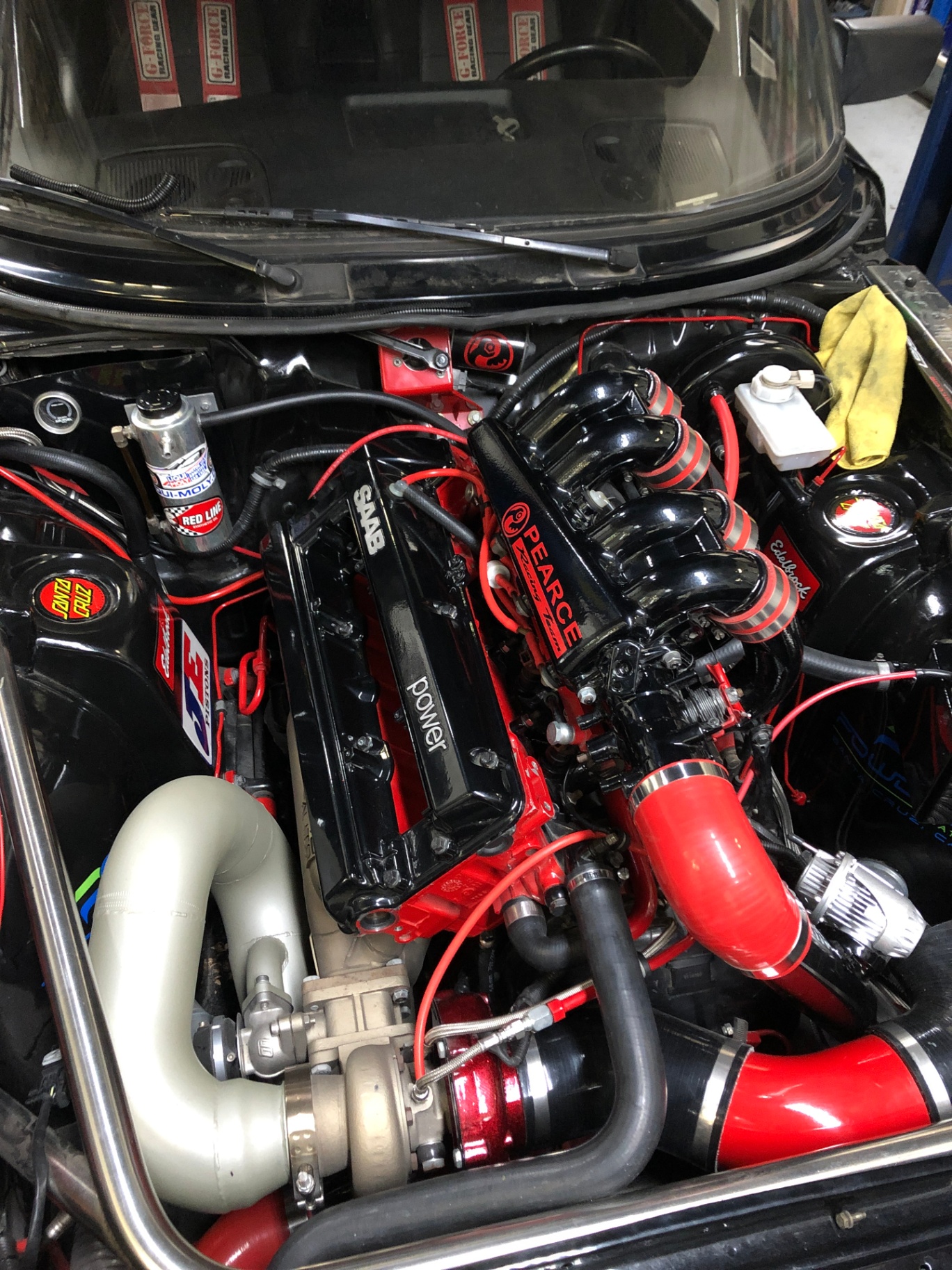
Selecting a shop with experience is vital for a high-quality finish. Local expertise matters, especially when dealing with the specific corrosion issues found in coastal California. A professional shop will understand the necessary pretreatments, such as zinc-rich primers, which provide an extra layer of defense against rust.
Powder Coat It has been serving the Santa Cruz community since 2010. The facility is equipped to handle everything from small hobbyist projects to large-scale industrial runs. Being centrally located makes it convenient for residents of Watsonville, Monterey, and even San Jose to access premium coating services.
Why Choose Powder Coat It?
Powder Coat It is a family-owned business established in 2010. Located conveniently at 7000 Soquel Avenue in Santa Cruz, the shop provides a fun and exciting way to transform old, weathered metal into something new. The team specializes in automotive wheels, motorcycle parts, and household items.
For those who are not local to the Santa Cruz area, shipping options are available. Parts are frequently received via UPS from locations as far as Los Angeles and San Francisco. This allows clients across California to benefit from the high standards maintained at the Santa Cruz facility.
Frequently Asked Questions
How long does the powder coating process take?
Standard turnaround time is usually between 5 to 10 business days, depending on the complexity of the prep work and the current shop schedule.
Can I powder coat over chrome?
Yes, but the chrome must be sandblasted or chemically stripped first to ensure the powder adheres properly to the base metal.
Is powder coating more expensive than paint?
While the initial cost may be slightly higher due to the prep and curing process, the longevity and durability of powder coating make it more cost-effective over time.
Do you offer custom colors?
Yes, thousands of colors are available for order. We can help you find a "one of a kind" shade that perfectly matches your project.
Request a Quote Today
If you have a project that needs a durable, high-quality finish, the team at Powder Coat It is ready to help. Whether it is a set of dodge-challenger wheels or a vintage bicycle frame, professional coating provides the protection your items deserve.
Visit the shop in Santa Cruz or contact us via our website to discuss your specific needs.
Powder Coat It
7000 Soquel Avenue
Santa Cruz, CA 95062
Phone: (831) 435-9558
Website: www.powdercoatitsc.com
Recent Comments